Most homeowners think about their plumbing exactly twice a year: when something stops working, and when they get the water bill. Everything in between is out of sight, out of mind. And that's exactly how a slow leak under a sink turns into rotted cabinet floors, or how a water heater that "seemed fine" ends up flooding the mechanical room on a Tuesday morning.
A plumbing inspection checklist changes that. Instead of waiting for something to fail, you're deliberately walking through your home's plumbing systems once a year, catching the small stuff before it becomes expensive. This guide covers every major item worth checking, drawn directly from Rare Breed Plumbing, Heating, and Air
DIY Peace of Mind Safety Check, with context on what to look for, what it means, and when to call a pro.
Your Annual Plumbing Inspection
Check Your Main Water Shut-Off
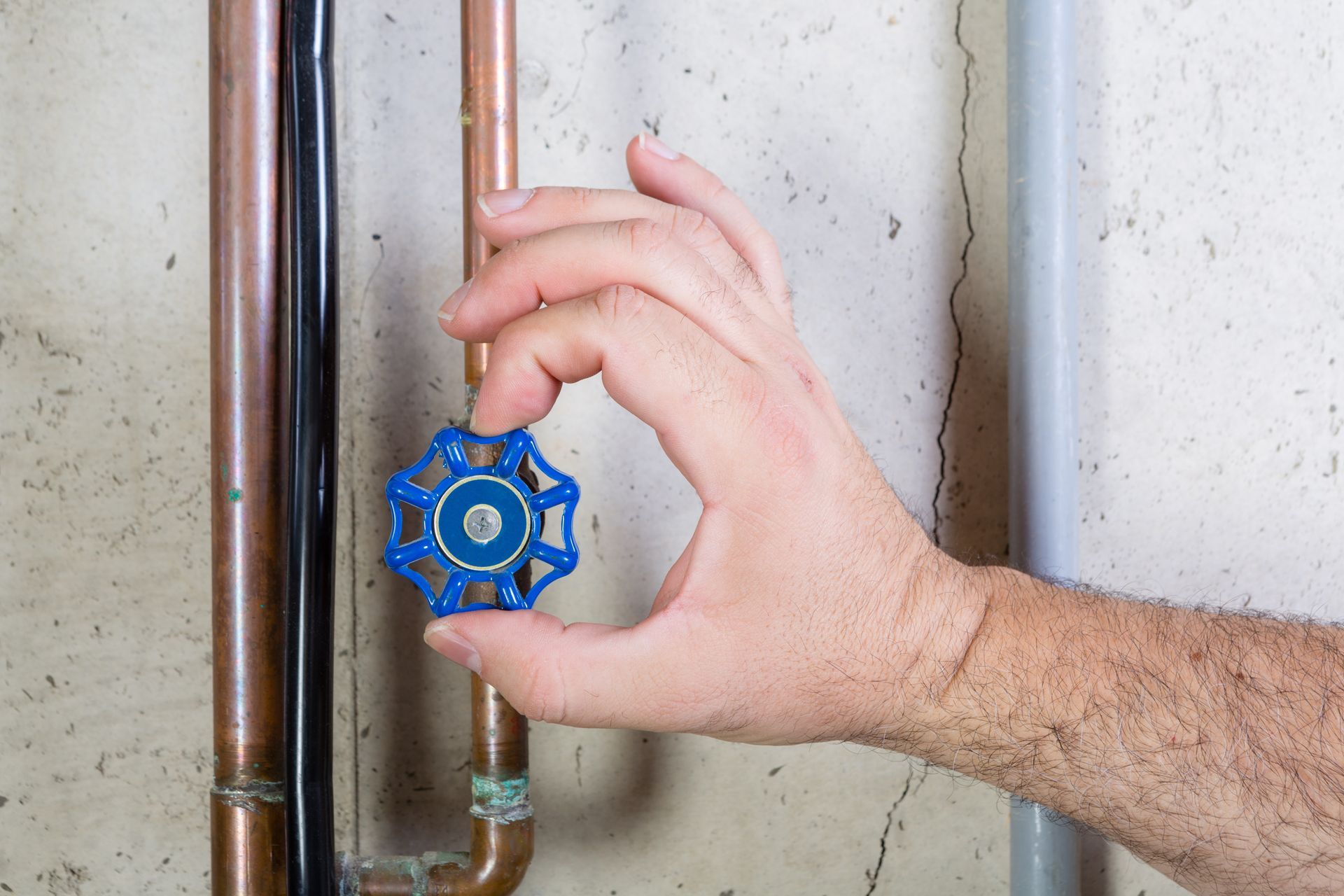
Start here every single time. Every homeowner should know exactly where their main water shut-off is and be able to operate it without hesitation. In an emergency, those first 30 seconds matter.
Locate the valve, typically in the basement on the front wall near the water meter, and test it. It should turn fully off and back on without sticking or requiring excessive force.
What to look for:
- A ball valve or quarter-turn valve is ideal. These are more reliable than gate valves in an emergency
- If you have an old gate valve that is stiff or hard to turn, do not force it. Call a plumber
- Check for corrosion, moisture, or signs of past leaking around the valve
- Shark bite and compression fittings near the main shut-off are red flags — these are the highest pressure points in your home and the worst place for an unreliable fitting
Test Your Water Pressure (PSI)
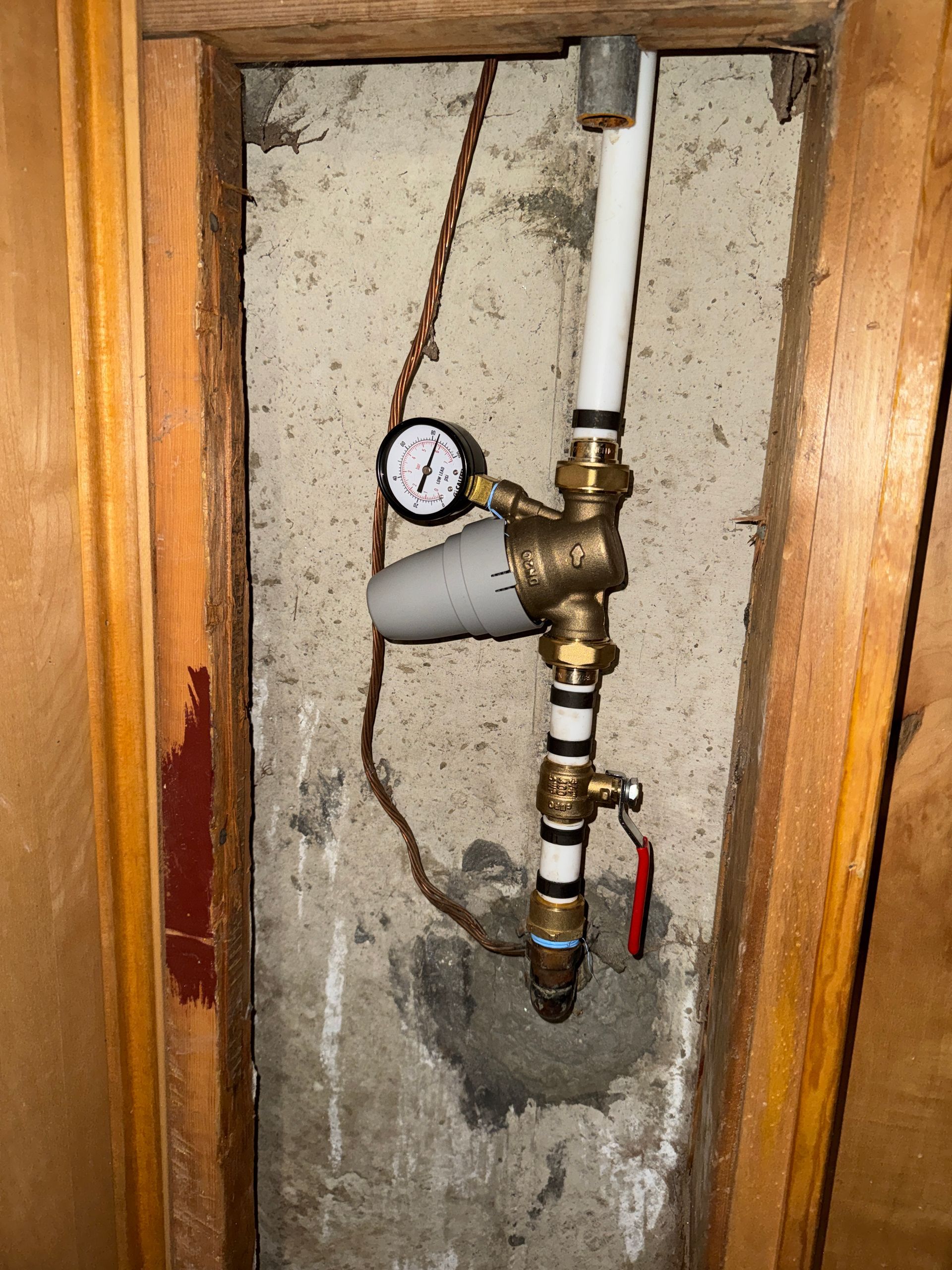
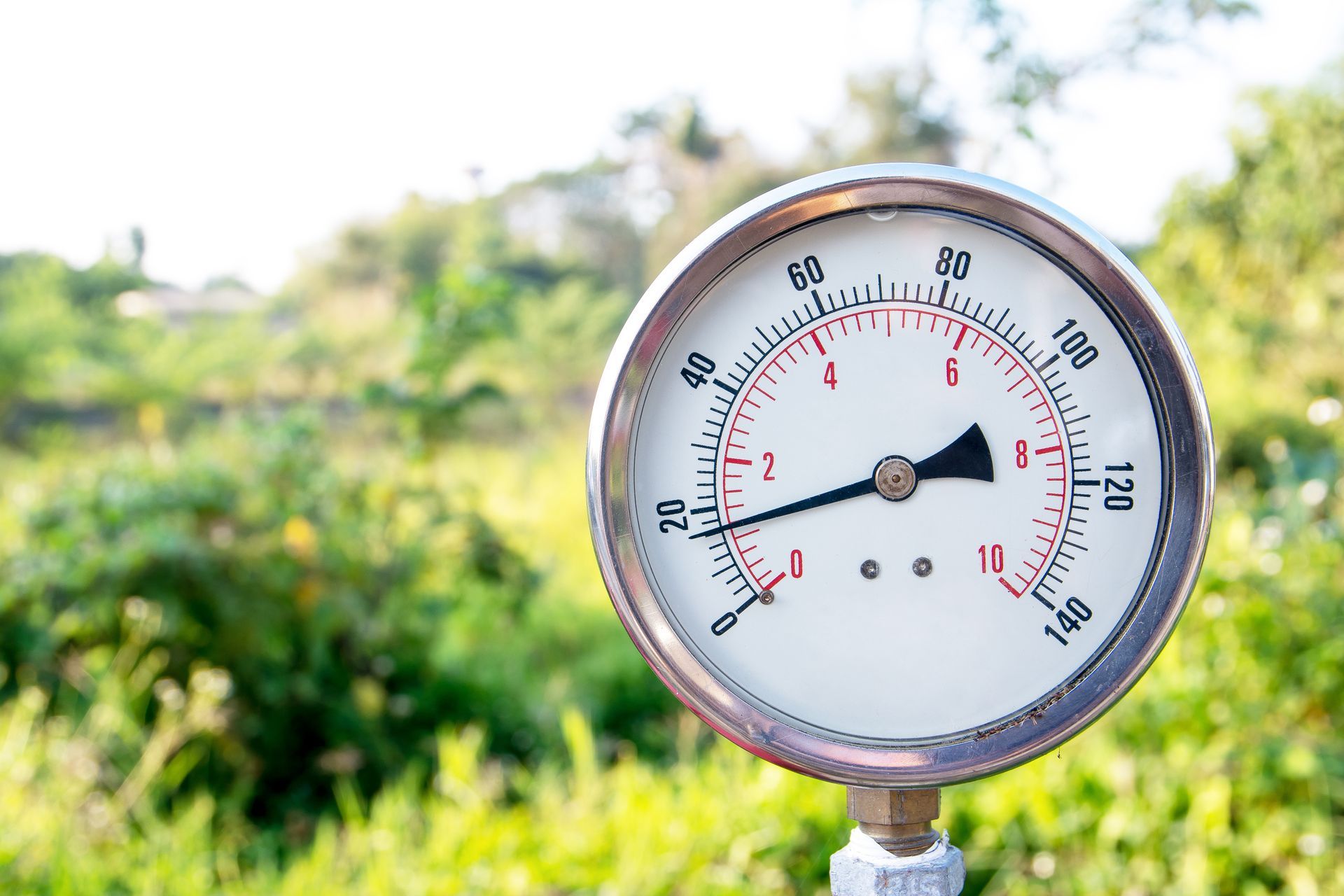
High water pressure is also one of the items most people skip when running through a plumbing checklist for homeowners. The city delivers water to your home at pressures exceeding 100 PSI. Safe indoor pressure is 80 PSI maximum, with an ideal range of 45 to 75 PSI.
If your pressure is too high and your pressure-reducing valve (PRV) isn't working properly, every fixture, valve, and appliance in your home is under constant stress. Things fail faster than they should.
How to check water pressure:
- Attach a pressure gauge to a hose bib, the washing machine connection, or the water heater inlet
- Check resting pressure. It should not exceed 80 PSI
- Turn on the water and check the working pressure. It should not drop more than 10 PSI from resting
- Locate the PRV just above the main water shut-off and inspect for corrosion
What the colors mean on your annual checklist:
- Resting pressure under 80 PSI, no corrosion on PRV = good
- Pressure borderline or PRV showing corrosion = monitor and consider replacement
- No PRV, or pressure consistently above 80 PSI = call a plumber
Inspect Your Water Heater
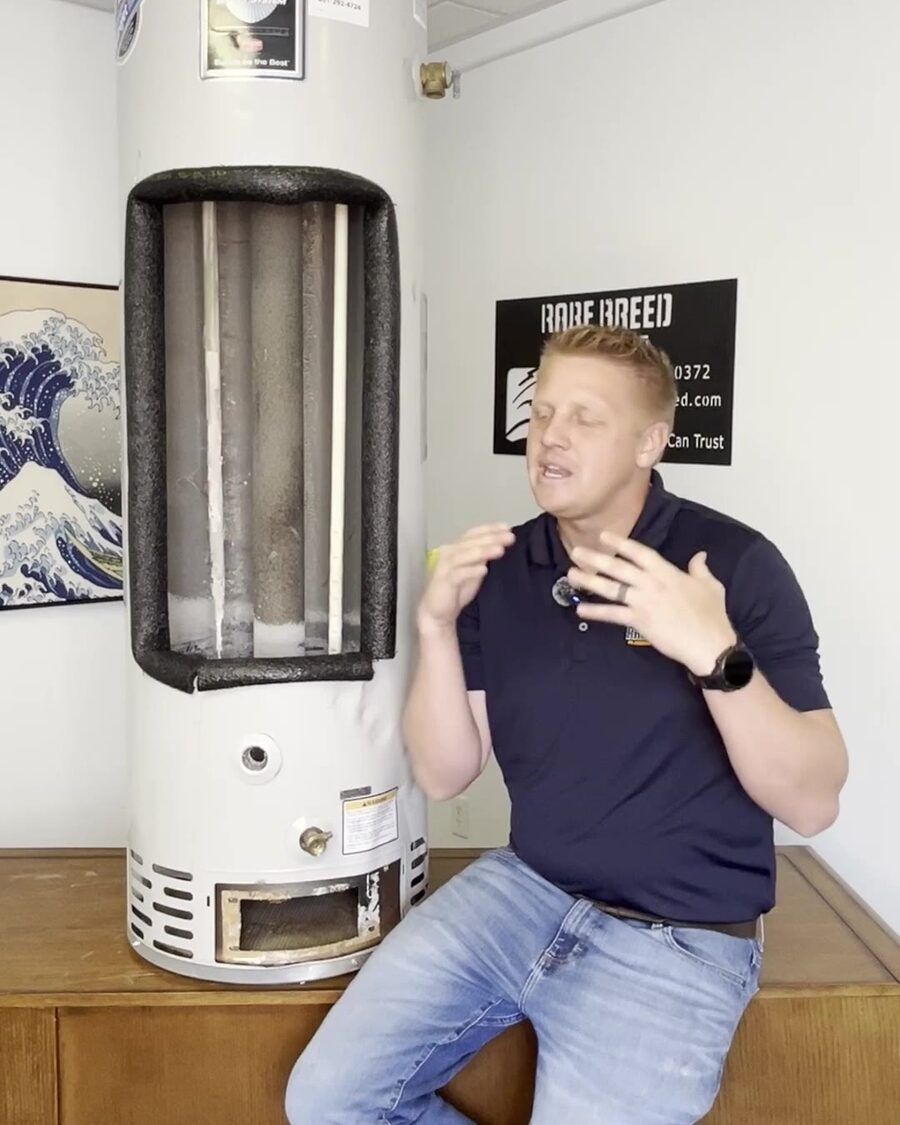
Water heaters fail 90% of the time because the tank rusts out and starts to leak—and most of the time, that failure was preventable. Knowing the age of your water heater is the single most important thing you can do to stay ahead of this.
What to check:
- Find the manufacturing date on the label. Most standard tank water heaters should be replaced or have the anode rod inspected at 6 to 10 years, and replaced outright at 10 to 12 years
- Replace the anode rod every 3 to 5 years to extend tank life significantly
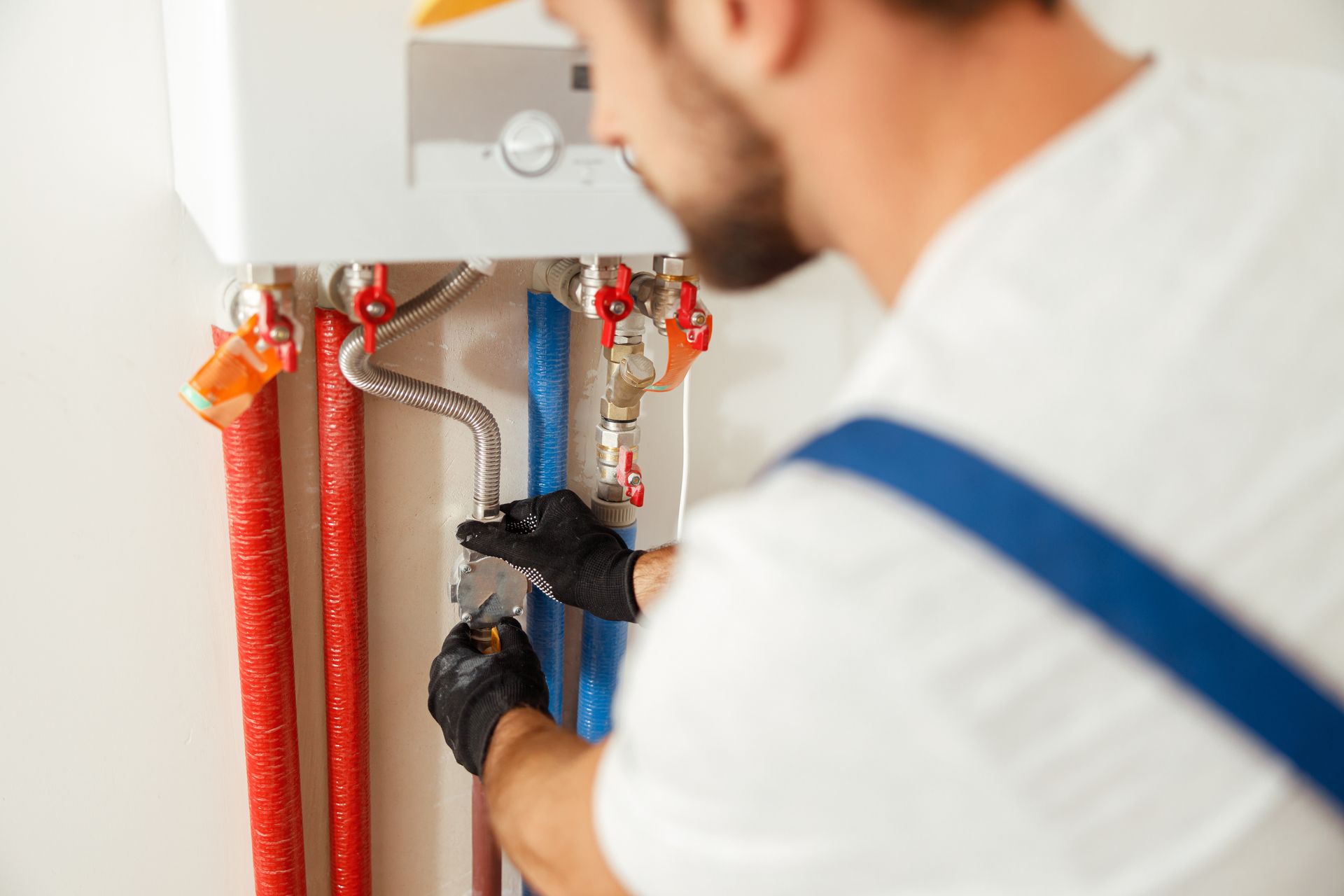
- Check the T&P (temperature and pressure) discharge tube — there should be a pipe running from the T&P valve down to within 2 to 6 inches of the floor
Don’t forget venting—the most critical item on this entire checklist:
Improper water heater venting can allow carbon monoxide to enter your home. Check the plastic cover on the water heater for signs of melting, and the
metal flue for white, powdery corrosion. Both are signs of back-drafting—a dangerous condition that requires immediate professional attention.
Check Your Water Hardness and Softener Condition
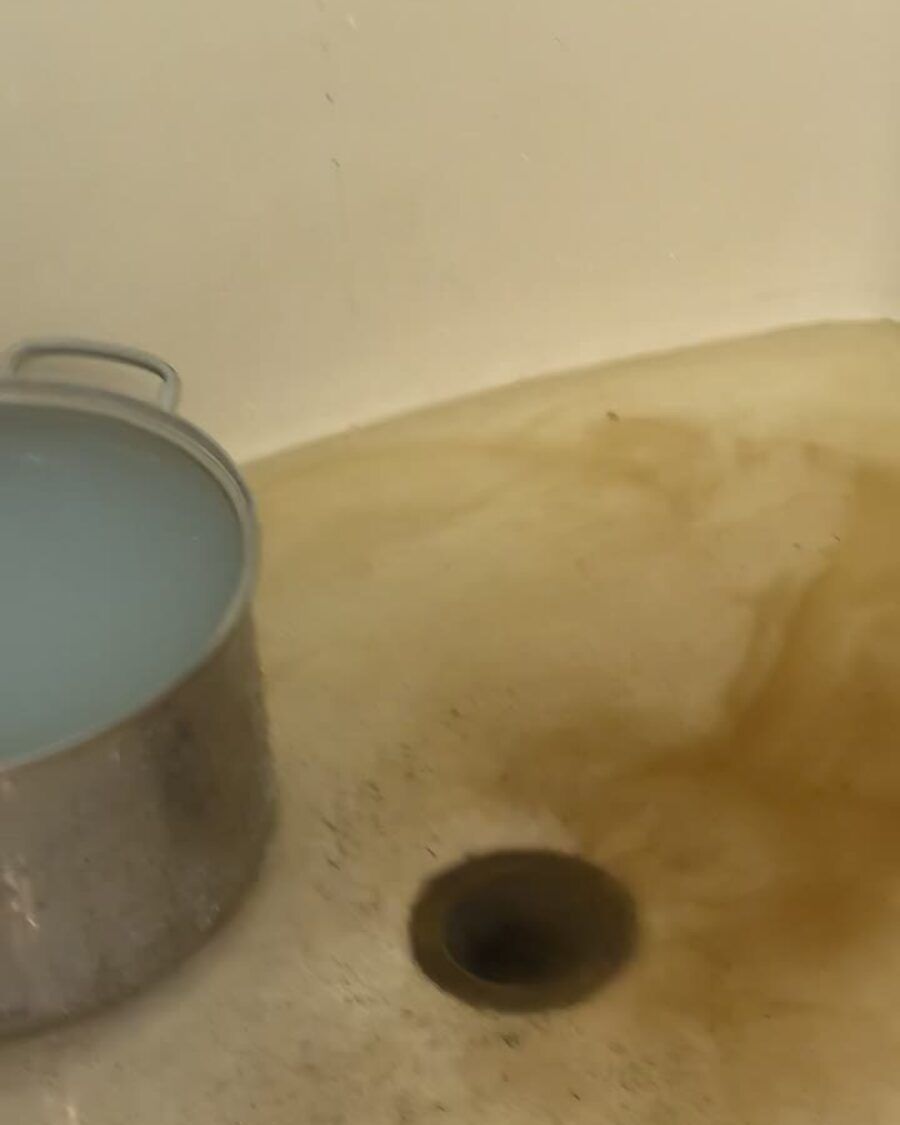
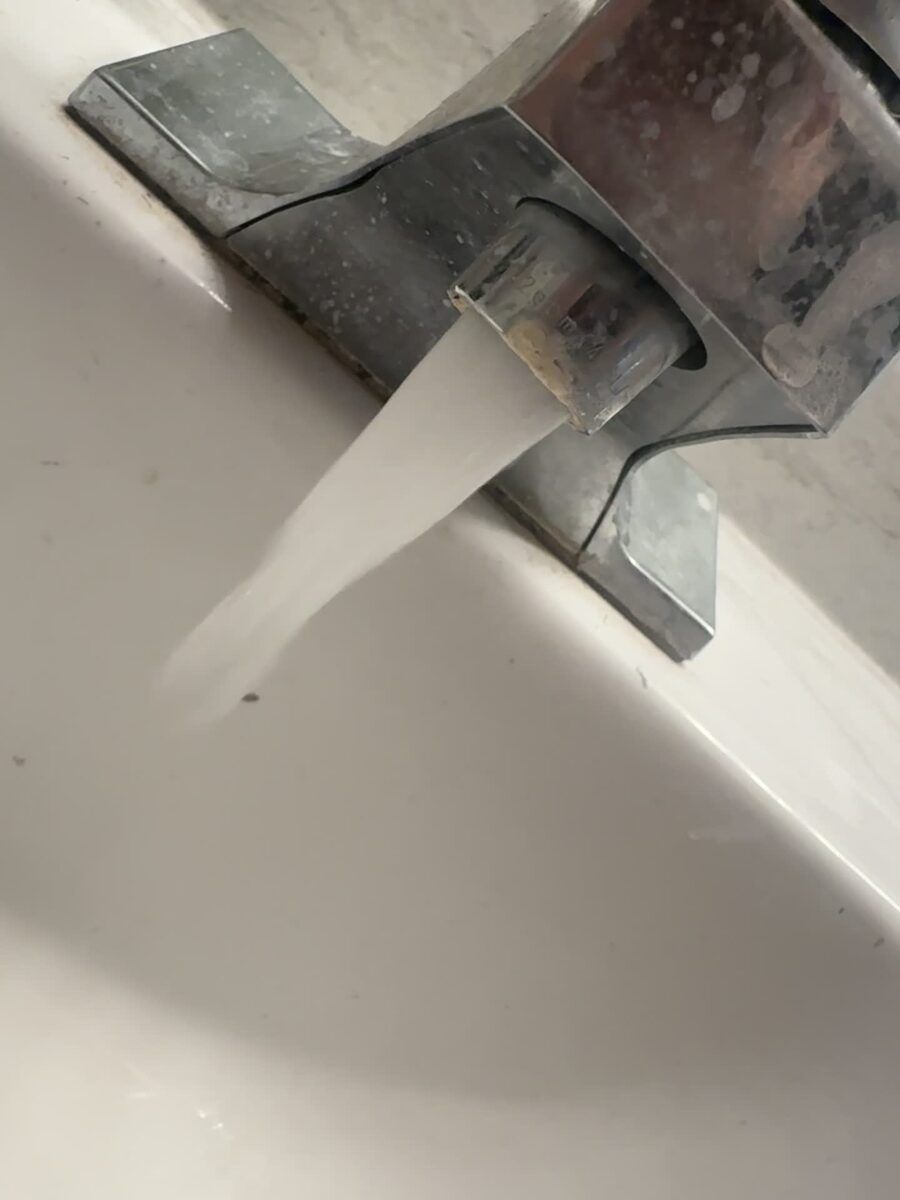
Utah has some of the hardest water in the country. Those dissolved minerals, primarily calcium and magnesium, coat the inside of your pipes, clog your fixtures, shorten the life of your water heater, and wreck ice makers, dishwashers, and washing machines faster than they should wear out.
If you have a water softener, having one isn't the same as having one that works. This is one of the most commonly skipped items on a home plumbing inspection checklist—and one of the most impactful.
What to check:
- When did you last add salt? If the tank is full but you never refill it, you likely have a salt bridge—a hardened crust that blocks the salt from reaching the water.
- Does the bypass valve work? You should be able to bypass the softener without shutting off water to the whole home.
- Is there an air gap on the discharge hose? Without one, a sewer backup can siphon sewage into your softener, contaminating your water supply.
- Is the brine tank clean? Clean it with mild dish soap every two years.
Inspect Your Kitchen Plumbing
The kitchen is one of the hardest-working plumbing zones in your home. Here's what deserves attention annually.
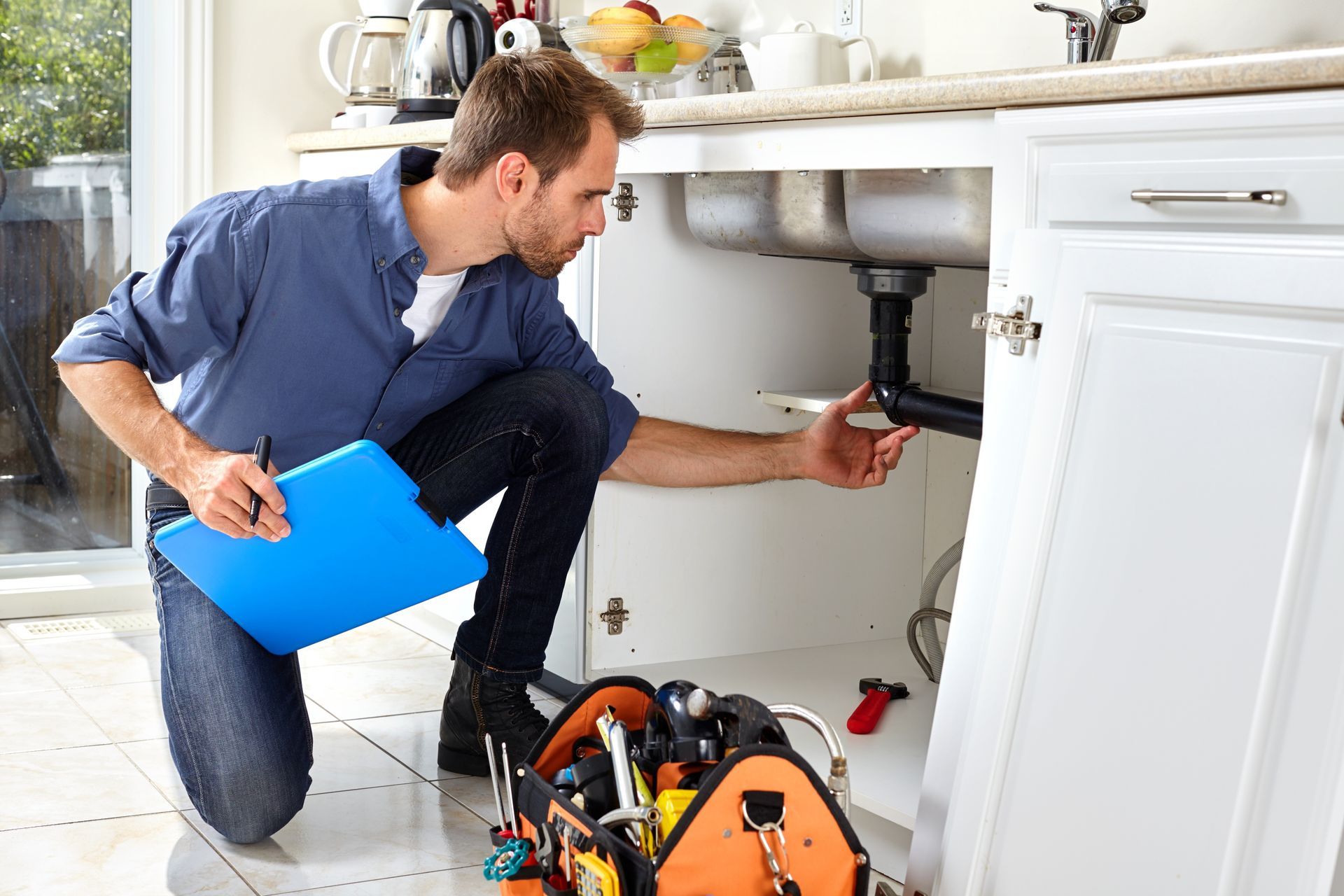
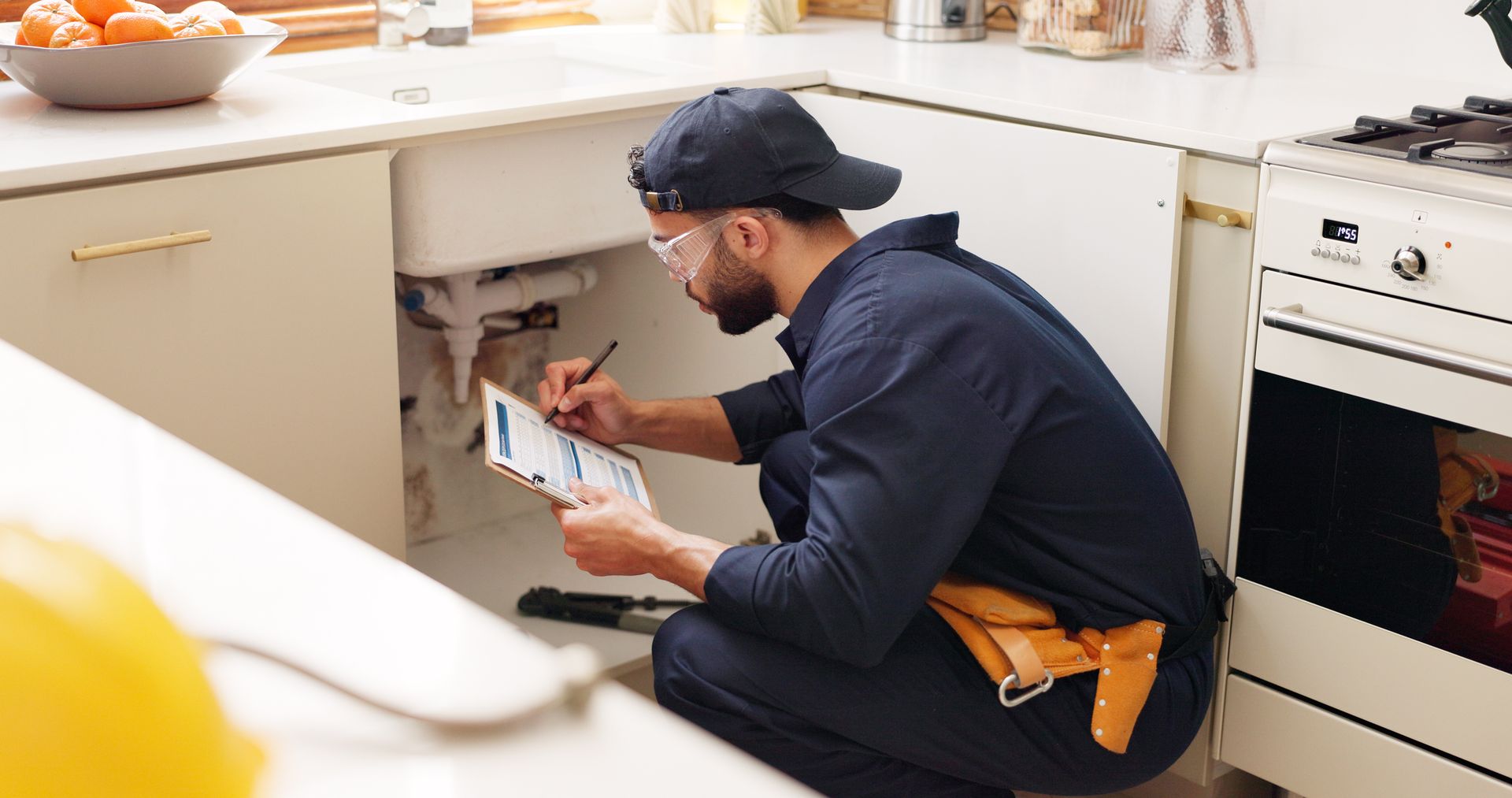
Kitchen shut-offs: Located under the sink. Test each one; they should turn fully off and back on without sticking.
Ice line: Check the line for kinks and note the material. Clear plastic lines should be replaced immediately; they are the most likely to fail without warning. PEX and copper lines have a 15-year lifespan. Stainless braided lines vary by brand.
Kitchen faucet: Pull-out and pull-down faucets use a hose-to-head connection, which is one of the most problematic plumbing connections in the home. Check it for leaks every year.
Kitchen drain: Check the P-trap under the sink for leaks, ensure it's properly sloped, and confirm there's a dishwasher loop on the dishwasher drain hose. Skip the Drano, it's an aggressive acid that eats through pipe walls over time.
Disposal: Check for leaks at the mount, at the bottom of the unit, and in the cabinet wood for swelling. Check that the three mounting screws are still tight; the disposals vibrate loose over time.
Check Your Bathroom Plumbing
Toilets: In most homes, toilets are the largest water consumers. Check the gallons-per-flush rating on the underside of the tank lid. Utah offers a $150 rebate on toilet replacements through the Utah Water Savers program.
Run a dye test: drop food coloring in the tank and walk away for 15 minutes. If color appears in the bowl, the flapper is leaking and needs to be replaced.
Supply lines and shut-offs: Visually inspect all supply lines for corrosion. Manufacturer ratings say 10 years, but they can fail sooner, especially if harsh chemicals are stored under the sink.
Shower heads and drains: Check for hard water buildup on the shower head; buildup forces water to spray sideways and can damage surrounding surfaces. Soak in white vinegar overnight to dissolve deposits. Make sure tub and shower drains keep pace with water flow and don't back up.
Do not hang shampoo bottles or organizers from the shower head. The weight of the pipe in the wall can cause significant damage over time. It's a small thing that every home plumbing inspection checklist should flag, and one of the easiest habits to change.
Inspect Your Laundry Area
Washer hoses: Replace every 5 to 7 years, regardless of appearance. Hoses often burst without any visible warning signs, or go off age alone. Clear plastic hoses should be replaced immediately. Stainless braided is the recommended upgrade.
Laundry drain: The drain should handle a full wash cycle without any backup. Newer machines have powerful pumps that discharge water faster than older drains were designed to handle.
Laundry shut-off: Test it once a year. A quarter-turn ball valve is ideal.
Replace Your Water Filters on Schedule
Every water filter in your home, including the refrigerator filter, should be replaced at least once a year. An old filter doesn't just stop filtering effectively; it stops filtering altogether. It can actually harbor bacteria and reduce water pressure throughout the system.
Common filters to track on your annual plumbing inspection checklist:
- Whole home sediment filter (near main shut-off) — annually
- Reverse osmosis filters — annually
- Nuvo or phosphate filters (near tankless heater) — every 1 to 2 years
- Refrigerator filter — annually
Write the replacement dates directly on the filter housing with a marker. It takes five seconds and saves you from trying to remember when you last changed it.
Test Your Sump and Sewer Pumps
If your home has a sump pump or sewer ejector pump, test it every spring — and note the age. These motors fail without much warning, and when they do, it's usually during a heavy rainstorm.
Pour water into the pit and confirm the float activates the pump. Check that the pump has a dedicated power source—sharing a circuit means a tripped breaker could knock it out in an emergency. Plan on replacement every 10 to 12 years.
A
drain cleaning service can also assess your sump pit and ejector system if you're not confident in what you're looking at.
Inspect Your Main Water Line and Sewer Main
Main water line: Check water pressure throughout the home for consistency. Significant pressure drops between fixtures can indicate a failing PRV or an issue with the
main water line. Also, check the curb shut-off location—know where it is and make sure it isn't buried under grass or overgrowth.
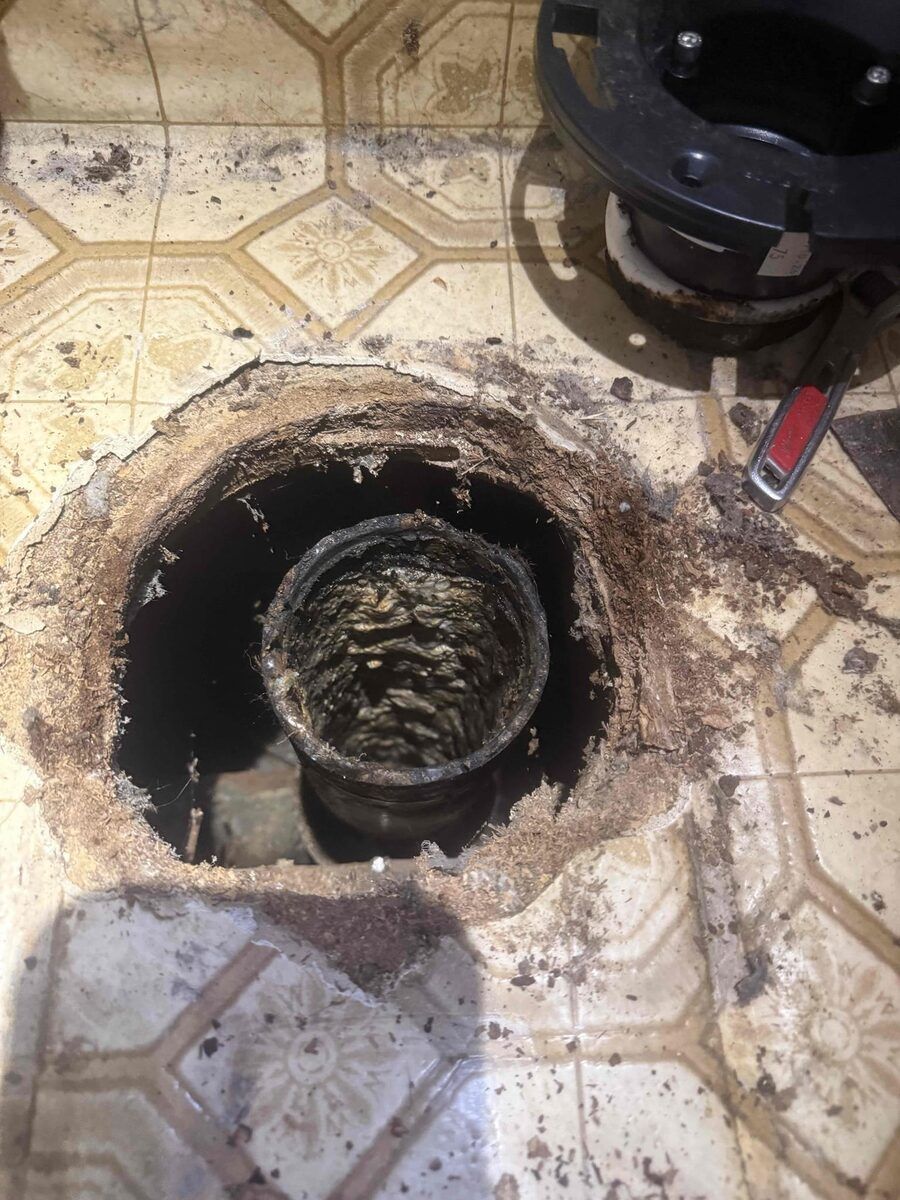
Sewer main: If your home is over 50 years old and you haven't had a camera inspection in the last 3 years, add it to this year's checklist. Tree roots, which continue to grow for up to 7 years after a tree is removed, are the number one cause of sewer line blockages in older Utah neighborhoods.
A sewer backup is one of the most expensive and disruptive plumbing emergencies a homeowner can face. A camera inspection is a fraction of the cost of dealing with one.
What to Do When Your Plumbing Inspection Checklist Flags a Problem
Some items on this plumbing maintenance checklist are genuinely DIY-friendly, such as testing shut-offs, running a dye test, and swapping a fridge filter. Others need a licensed plumber. Anything involving your PRV, water heater venting, main water line, sewer camera, or any active leak falls into that category.
Rare Breed Plumbing, Heating, and Air, serves homeowners across Utah with honest, thorough plumbing inspections and repairs. Whether you need a single item addressed or a full Peace of Mind Safety Check, the team is ready.
Book an appointment. Rare Breed Plumbing, Heating, and Air also offers
plumbing services in Bountiful,
plumbing services in Sandy, and across Utah! Wherever you are in Utah, the team you can trust is nearby.