Every spring, homeowners across Utah pull out the mops, open the windows, and tackle the big clean. Closets get sorted, gutters get cleared, and garages finally get some attention. But there's one area of the house that almost always gets skipped, the plumbing. And it's the one area where skipping it can cost you the most.
This isn't just a nice-to-have checklist. Catching a slow floor drain before it backs up, or testing a sump pump before the first heavy rain of the season, these are the kinds of small things that prevent the big, expensive disasters. And honestly, there's no better time to do it. Winter stress is behind you, and the heavier water demands of summer are still ahead. Irrigation systems kicking back on, kids home, extra laundry, houseguests—your plumbing is about to work harder. These plumbing tips for spring maintenance are exactly what you need right now.
This guide covers exactly what to look at, why it matters, and what to do if something isn't right.
Why Spring Is the Right Time for Plumbing Maintenance
Winter is hard on plumbing. Freezing temperatures stress pipes; frozen hoses leave hidden damage; and months of heavier indoor water use put wear on valves and seals. By the time spring arrives, many small issues have been quietly developing.
At the same time, spring brings its own risks. Snowmelt raises the water table. Heavy April rains push more water toward your foundation. If your sump pump has been sitting idle all winter, this is the moment it'll be called on, and if it fails, it tends to fail at the worst possible time.
Spring plumbing tips aren't about fixing emergencies. They're about not having them in the first place. A Saturday afternoon of simple checks can save you thousands in water damage and weeks of headaches.
Tip #1: Test Every Floor Drain in Your Home
Let's start with the one most people completely forget exists, the floor drain.
You'll find them in your mechanical room near the water heater and furnace, underneath your washing machine, and sometimes in the garage. Their whole job is to catch water if something goes wrong. A burst hose, an overflowing water heater, a washing machine that decides to dump its entire load on the floor instead of draining properly, and the floor drain is your last line of defense.
Here's the problem: most homeowners have never tested theirs.
How to test your floor drain this spring:
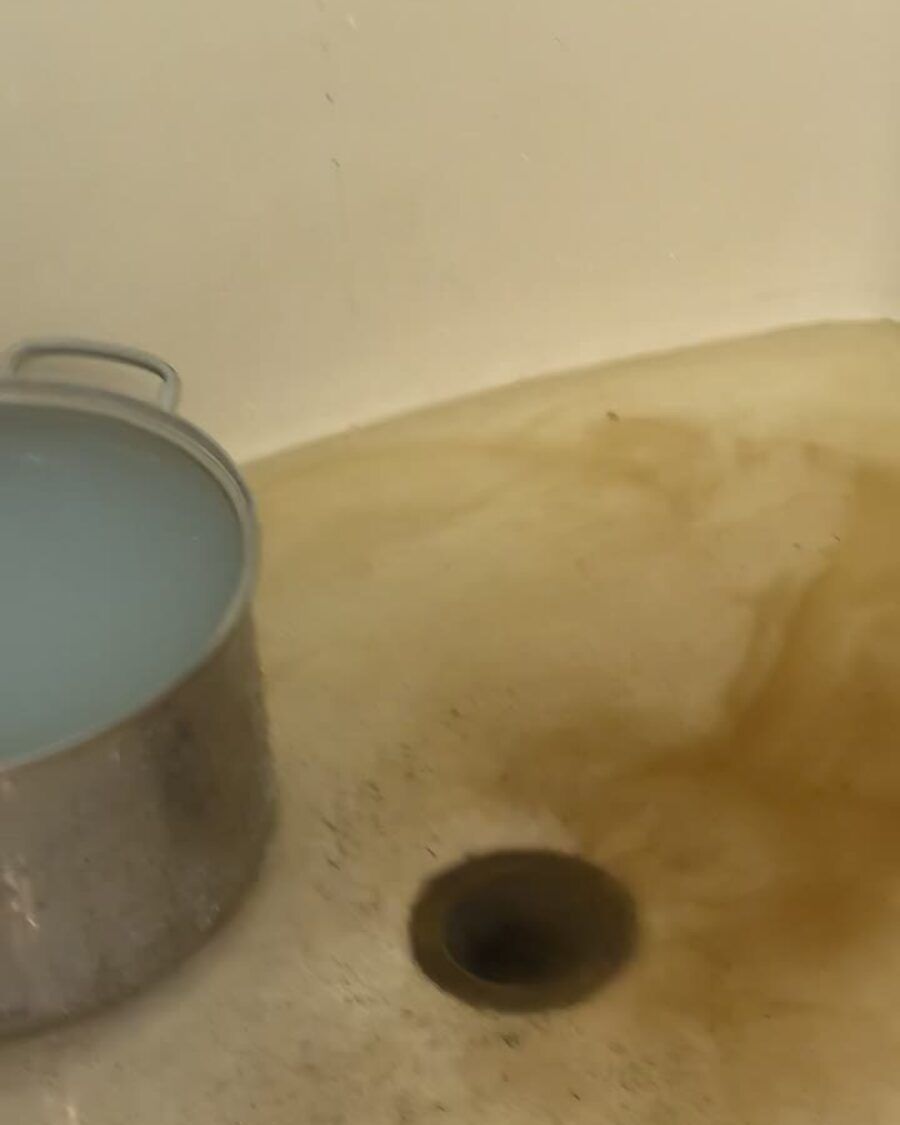
Grab a 5-gallon bucket, fill it up, and pour it slowly into the drain. Watch what happens. It should drain completely and quickly, no pooling, no backing up, no gurgling. If it drains slowly or not at all, you have a problem that needs to be addressed before summer, not after.
What about that smell?
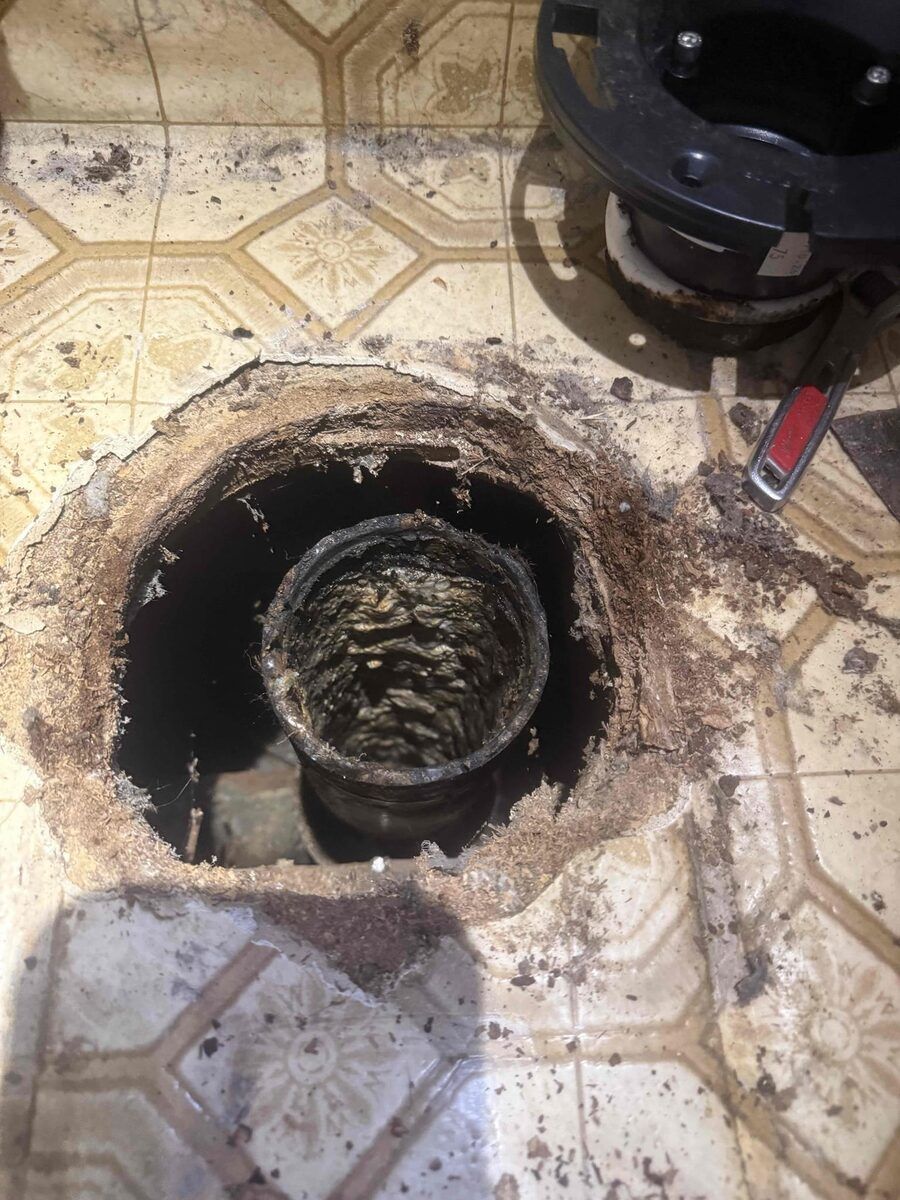
At the bottom of every floor drain is a P-trap, a curved section of pipe that holds a small amount of water. That water creates a seal that keeps sewer gases from rising up into your home. In drains that don't get used regularly, that water evaporates over time, the seal breaks down, and you start getting a rotten-egg smell creeping into your basement or laundry room.
The fix is simple: pour water down the drain. If you want a longer-term solution, add baby oil on top. Unlike water, it won't evaporate, and it's mild enough not to damage the pipe. It sits on top of the water in the trap and keeps the seal intact indefinitely—one of the most underrated home plumbing maintenance tricks.
If the drain is corroded or drains extremely slowly, that's a job for a professional. A thorough drain cleaning clears the line and makes sure your emergency drain will actually function when you need it.
Tip #2: Check Your Laundry Drain Before Summer Hits
While you're checking the floor drain, take a look at your laundry drain too. This one catches people off guard more than almost anything else we see in the field.
Newer washing machines have significantly more powerful pumps than older models. They discharge water faster, sometimes faster than an undersized or partially clogged drain can handle. The result is 10 to 30 gallons of water spilling onto your laundry floor while the machine happily finishes its cycle, completely unaware.
The code standard is a 2-inch laundry drain that doesn't connect to anything else until it reaches a 3-inch main. Many homes, especially those built before the 1980s, don't meet this standard.
Home plumbing maintenance for the laundry drain is very important if the laundry area is directly below the kitchen. Kitchen grease works its way down through the drain system and accumulates in the laundry line below, narrowing the pipe over time.
Tip #3: Replace Your Washer Hoses If They're Over Five Years Old
Burst washing machine hoses are among the most common causes of household water damage in Utah and among the most preventable.
The rule is straightforward: replace washing machine hoses every five to seven years. They're inexpensive, the job is quick, and they don't give much warning before they fail. Don't wait until you see corrosion at the connections. Go off age alone, it's one of the simplest spring plumbing tips you'll ever follow, and it can save you from a very expensive mess.
Tip #4: Test Your Sump Pump Before the Rain Starts
If your home has a sump pump or a sewer ejector pump, spring is the most critical time of year to make sure it's working properly.
How to test your sump pump this spring:
Pour water slowly into the pit until the float rises and the pump activates. Watch it drain. Listen to it run. If the float doesn't trigger, if the pump sounds labored, or if it doesn't drain efficiently, something's wrong, and it needs attention now, before the next big rainstorm, not after.
A few other things to check while you're down there:
- Dedicated power source. Your sump pump should be the only thing on its outlet.
- Age. Replace sump pumps every 10 to 12 years, regardless of how they look.
- Discharge line. Make sure it terminates well away from the foundation and isn't pumping water back toward the house.
If you have any doubts about what you're looking at, a professional sump pump inspection is worth every penny. The cost of an inspection is nothing compared to the cost of a flooded basement.
Tip #5: Install a Water Alarm If You Don't Have One
Here's a spring plumbing tip so simple it almost feels too easy: put a water alarm near every appliance or fixture that could leak.
A basic water alarm sits on the floor near your water heater, washing machine, or sump pump pit. The moment it detects water, it lets out a loud alarm, just like a smoke detector. For about $15, you get an early warning that stops a slow leak from becoming a flood.
If you want to take it further, a smart water monitor like the Moen Flo detects water and automatically shuts off your main water line—sending you a phone alert in the process. That means even if you're at work or out of town when something fails, the water stops before significant damage occurs. For homes with finished basements, this is one of the best upgrades you can make.
Tip #6: Get a Sewer Camera Inspection If Your Home Is Over 50 Years Old
Spring is also a good time to consider your sewer main, especially in older homes. It's one of those home plumbing maintenance tasks that nobody thinks about until something goes catastrophically wrong.
Here's something most homeowners don't know: tree roots continue to grow for up to 7 years after a tree is cut down. Those roots seek out moisture, and your sewer line, full of nutrient-rich water, is exactly what they're looking for.
A sewer backup is one of the most unpleasant and expensive plumbing emergencies. A camera inspection before it happens is a fraction of the cost. If your home is older, or if you've noticed slow drains throughout the house, gurgling toilets, or any sewage smell, those are signs worth taking seriously. A sewer line inspection this spring could save you from a Thanksgiving disaster—or worse, a flooded basement full of sewage.
The Full Spring Plumbing Checklist at a Glance
Tip #1 — Floor Drains: Pour a full bucket through each one. Slow or corroded? Call for a drain cleaning. Add baby oil to the P-trap if the drain hasn't been used recently.
Tip #2 — Laundry Drain: Confirm it handles a full wash cycle without backing up. Use enzyme cleaner quarterly, especially if the drain runs below the kitchen.
Tip #3 — Washer Hoses: Anything over five years old gets replaced. Clear plastic hoses come out today.
Tip #4 — Sump Pump: Test the float, confirm dedicated power, check the age, and inspect the discharge line.
Tip #5 — Water Alarm: Place one near the water heater, washing machine, and sump pit at a minimum.
Tip #6 — Sewer Line: Homes over 50 years old with no recent camera inspection should schedule one this spring.
For a complete room-by-room look at every plumbing system in your home, Rare Breed Plumbing, Heating, and Air's full DIY Peace of Mind Safety Check Manual walks you through everything worth inspecting, with pro tips built into every section.
When to Call a Pro
Some of this list is genuinely DIY-friendly. Pouring water down a drain, testing a float switch, and swapping washer hoses, most homeowners can handle those without any special tools. But slow floor drains with corrosion, sump pumps that won't activate, sewer lines in older homes, or anything that involves opening a pipe, those are worth a call.
Not sure where to start? Our plumbing tips for spring checklist is one thing, having a licensed plumber actually walk through your home is another. Rare Breed Plumbing, Heating, and Air offers Peace of Mind Safety Checks, and Herd Membership customers get an annual inspection included, along with a free camera inspection, priority scheduling, and 10% off all repairs.
Our Plumbing team you can trust is ready when you are. Contact us to schedule your spring plumbing checkup.