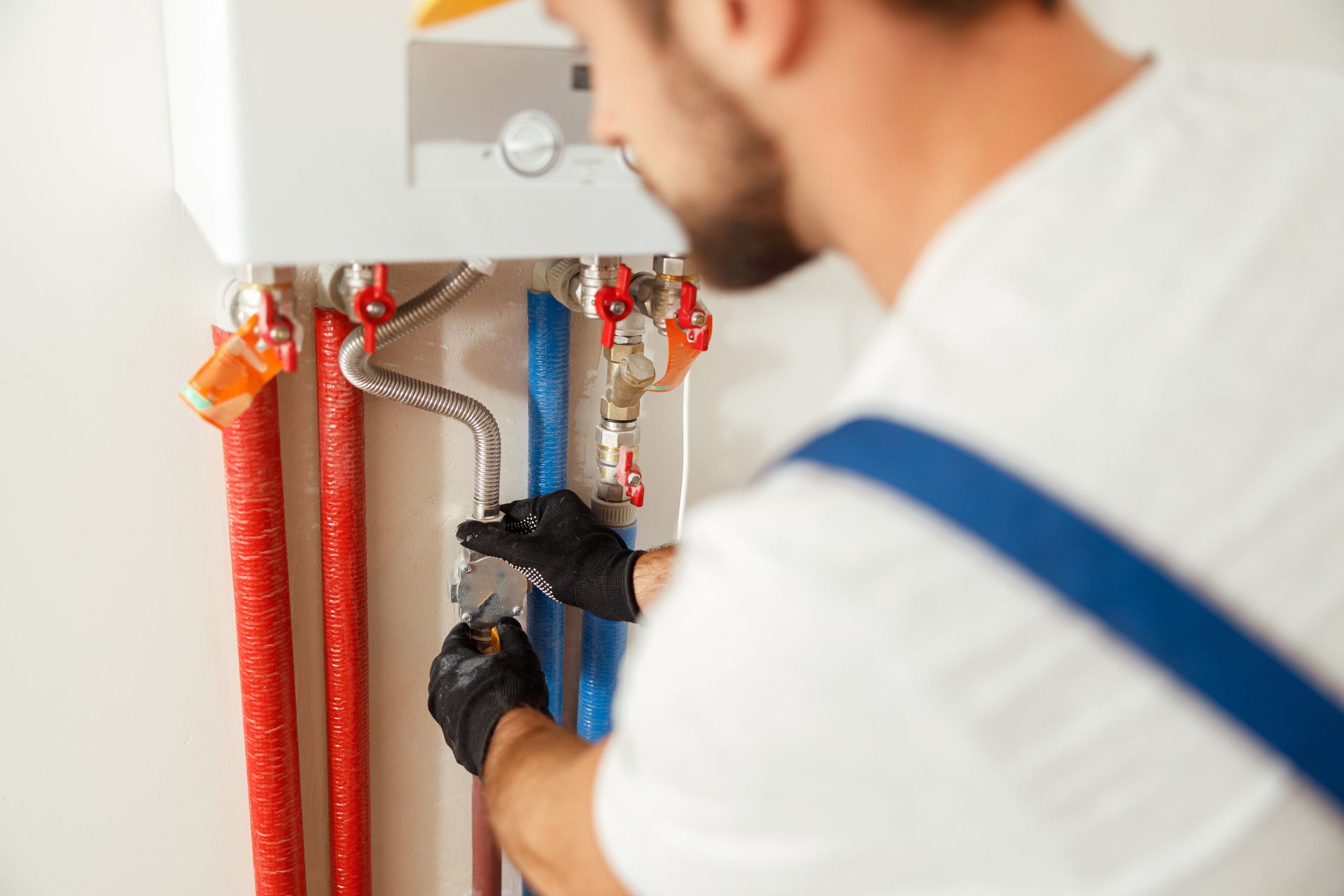
Flushing a tankless water heater is a routine maintenance process that removes mineral buildup, primarily calcium and magnesium, from inside the system. Over time, these deposits can collect along the heat exchanger, restricting water flow, reducing efficiency, and putting extra strain on the unit.
By circulating a descaling solution through the system, flushing helps break down and remove this buildup, keeping your water heater running smoothly. In this blog, we’ll cover why flushing your system is important, how often to do it, and how to do it in 7 easy steps. Keep reading for the ultimate guide to flushing a tankless water heater.
Do You Really Need to Flush a Tankless Water Heater? Yes, Here’s Why
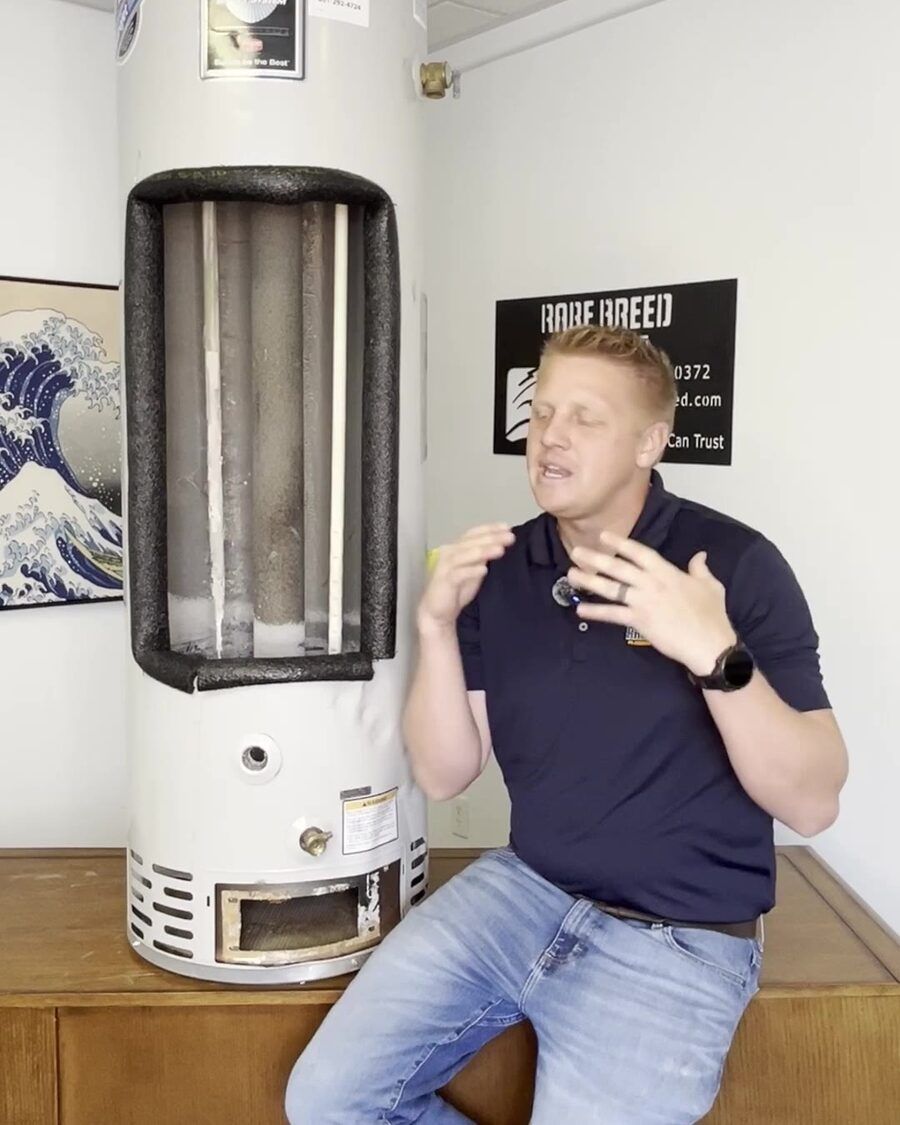
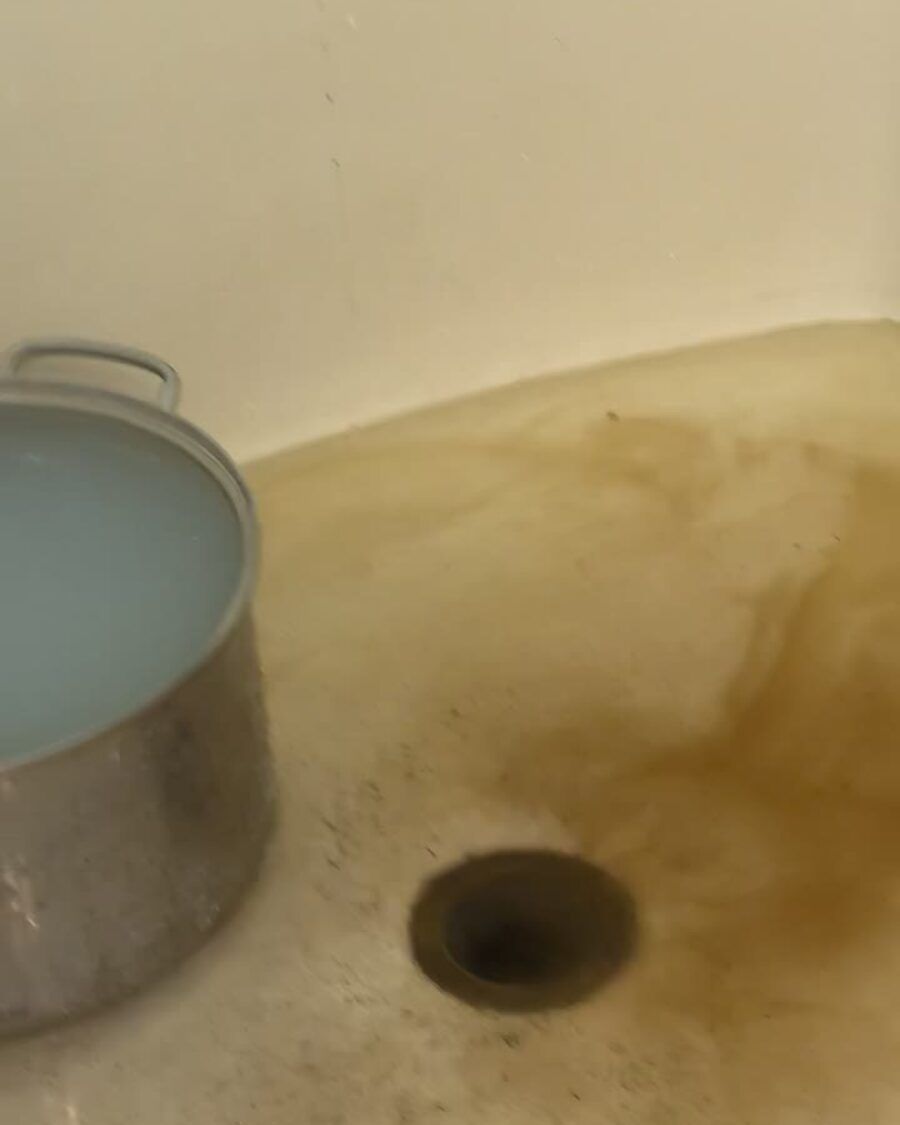
Over time, minerals such as calcium and magnesium can build up inside water heaters, leading to clogs and erosion of the heating chamber walls.
Flushing your tankless water heater regularly helps prevent mineral buildup—and it also helps:
- Ensure you have hot water when you need it most: Keep your system running reliably without unexpected interruptions.
- Maintain efficiency: Allow your tankless water heater to heat water quickly while using less energy.
- Extend its lifespan: Reduce wear and tear on internal components to avoid premature breakdowns.
- Decrease wait times for hot water: Improve performance so hot water reaches your taps faster.
As you can see, flushing a tankless water heater is essential. Now, the next question you probably have is how often do you flush it?
How Often Should You Flush a Tankless Water Heater?
Plumbers generally recommend flushing a tankless water heater at least once a year, more so if you live in an area with hard water. If you have especially hard water, professionals recommend flushing the system every 6–9 months.
How to Flush a Tankless Water Heater: 7 Steps
If you’ve noticed reduced water pressure, inconsistent temperatures, or longer wait times for hot water, mineral buildup inside your system could be the cause. Flushing your tankless water heater is a simple maintenance task that helps restore performance and efficiency.
First, you’ll need the following items:
- Basic toolkit
- Two hoses (about 6 feet each)
- Descaling/cleaning solution
- Submersible circulation pump
- Bucket
After you’ve gathered your supplies, follow these steps for flushing a tankless water heater:
1. Turn Off Power and Water Supply
Start by shutting off power to the unit—either by turning off the gas valve or disconnecting the electricity, depending on your system. Next, close the cold-water inlet and hot-water outlet valves to stop water from flowing through the heater during the process.
2. Drain Any Remaining Water
Remove the service caps on both the hot and cold water valves to release pressure and drain any remaining water from the unit. Let the water flow into a bucket until it’s empty.
Note: The water may still be hot, so take precautions to avoid burns.
3. Check and Clean the Filter
Many tankless water heaters have a small inlet filter designed to catch debris. If your system has one, locate it (typically near the cold-water inlet), remove it, and rinse off any buildup before reinstalling it.
4. Connect the Hoses and Pump
Attach one hose to the cold-water service valve and connect the other end to your submersible circulation pump. Place the pump in a bucket. Then, connect a second hose to the hot-water service valve and place the open end into the same bucket to create a loop.
5. Circulate the Cleaning Solution
Fill the bucket with a descaling or cleaning solution, making sure the pump is fully submerged. Open the service valves and turn on the pump to circulate the solution through the unit. Let it run for about 45 minutes to a couple of hours to break down mineral buildup inside the heat exchanger.
6. Flush the System with Clean Water
Once the descaling process is complete, turn off the pump and dispose of the used solution. You can then flush the system with clean water to remove any remaining residue before disconnecting the hoses.
7. Reconnect and Restore Service
Remove the hoses, replace the service caps, and reopen the water valves. Restore power or turn the gas back on. To finish, run a hot water tap for a few minutes to clear out any remaining solution and ensure the system is operating normally.
Flushing a Tankless Water Heater: 4 FAQs
1. Can I flush my tankless water heater myself?
Yes, you can flush your tankless water heater yourself. However, you need to ensure you’re knowledgeable about how flushing works and what it requires from you. Based on your tankless water heater model, you may follow different steps, or it may look different than what we’ve outlined.
If you’ve done your research and are still confused about how to flush a tankless water heater, reach out to a professional plumber like
Rare Breed Plumbing, Heating, and Air for help.
2. What chemical do you use to flush a tankless water heater?
You can use a commercial descaler like Nu-Calgon Vital-Flo, Chromex, Calci-Free, or Hercules Harmaker. These products are safer and faster than acid-based cleaners.
3. How much does a plumber charge to flush your tankless water heater?
A plumber usually charges around $150–$250 to flush and descale a tankless water heater. However, costs can be higher or lower depending on your system and the potential repairs needed.
4. Can I use vinegar to flush my tankless water heater?
Yes, you can use white vinegar to flush and descale a tankless water heater. Check your manual to make sure it’s safe for your specific model. If you use vinegar, let the pump run for about 1.5–2 hours.
Skip Learning How to Flush a Tankless Water Heater & Hire the Pros to Do it For You.
If you’ve tried to learn how to flush your tankless water heater and feel overwhelmed or confused, it’s best to get in touch with the professionals. Plumbers know how to work with a variety of tankless water heater models and can even run a comprehensive checkup of your system to ensure it’s running smoothly.
If you live in Utah, Rare Breed Plumbing, Heating, and Air provides expert-level
tankless water heater repair services, including flushing and descaling when needed. We service
Salt Lake County,
Utah County, Davis County, Summit County, Wasatch County, and Weber County, providing 5-star water heater services every time.
Schedule an appointment
with us to ensure your water heater is well-maintained and operating at maximum capacity.