Grab a notepad and walk through your house with us. This spring plumbing checklist covers 12 simple plumbing maintenance tasks every Utah homeowner should do each year before the heat kicks in and life gets busy.
This is a simple piece of Wasatch Front home maintenance that helps you stay ahead of wear and tear before summer.
You don't need special tools or a plumbing license to do most of these. A sharp eye and about 60 minutes is usually enough to spot small issues early and prevent plumbing problems that turn into big, expensive surprises.
Why Spring Is the Best Time for a Plumbing Check
Winter in Utah is tough on pipes. Freezing temperatures, fluctuating pressure, and months of heavy use can leave behind damage you haven't noticed yet.
Spring is the sweet spot. The ground is thawing. You're not in full summer mode yet. And catching a leak or a slow drain now means you're not dealing with a flooded basement in July.
Think of this as your annual plumbing wellness check: quick, simple, and worth every minute.
Your 12-Point Spring Plumbing Checklist
1. Check Every Faucet for Drips
Walk through your home and turn on every faucet — kitchen, bathrooms, laundry room, and utility sink.
Even a slow drip wastes hundreds of gallons of water over time and often signals a worn washer or cartridge inside the faucet. Both are easy, low-cost fixes when caught early.
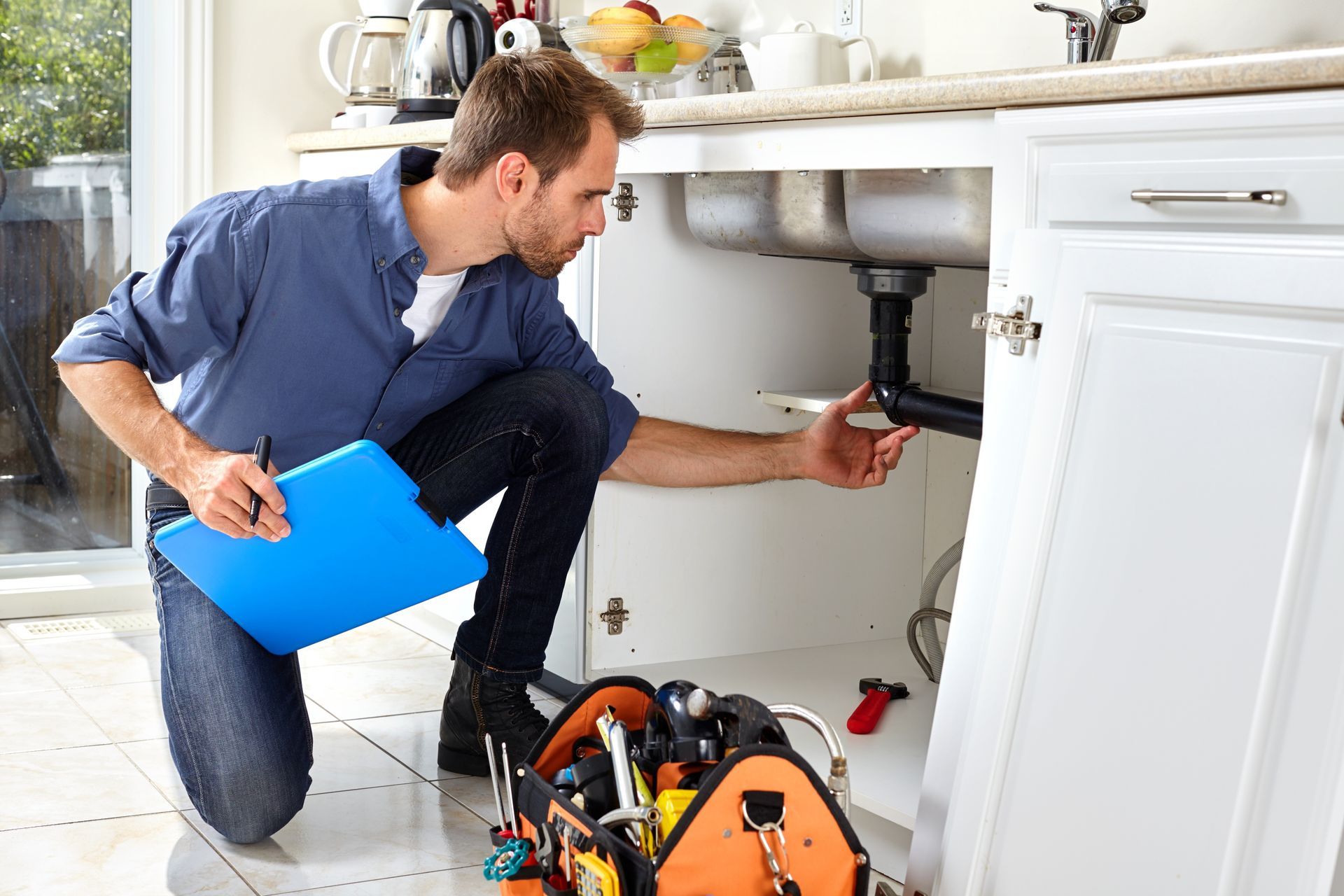
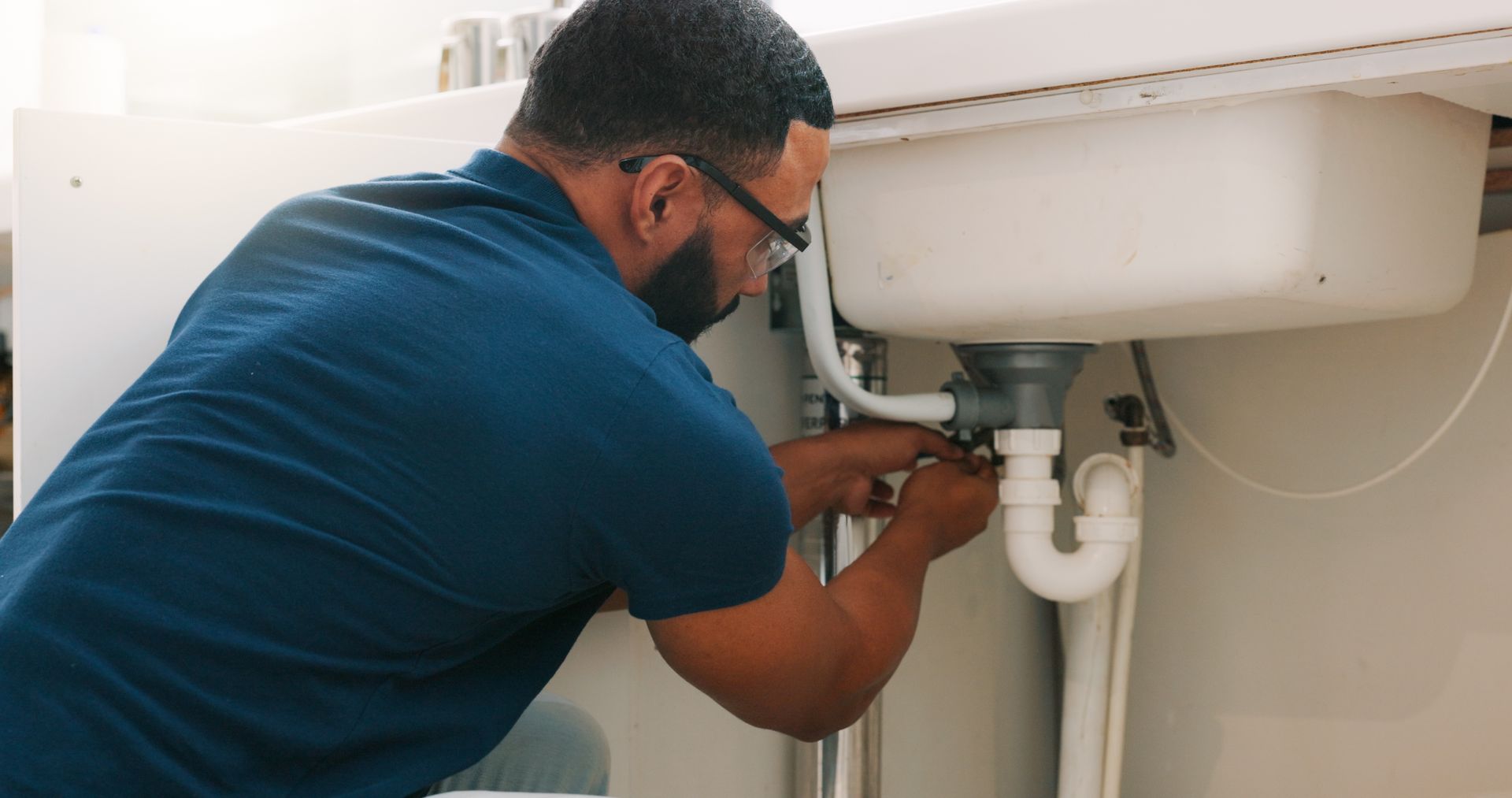
2. Look Under Every Sink
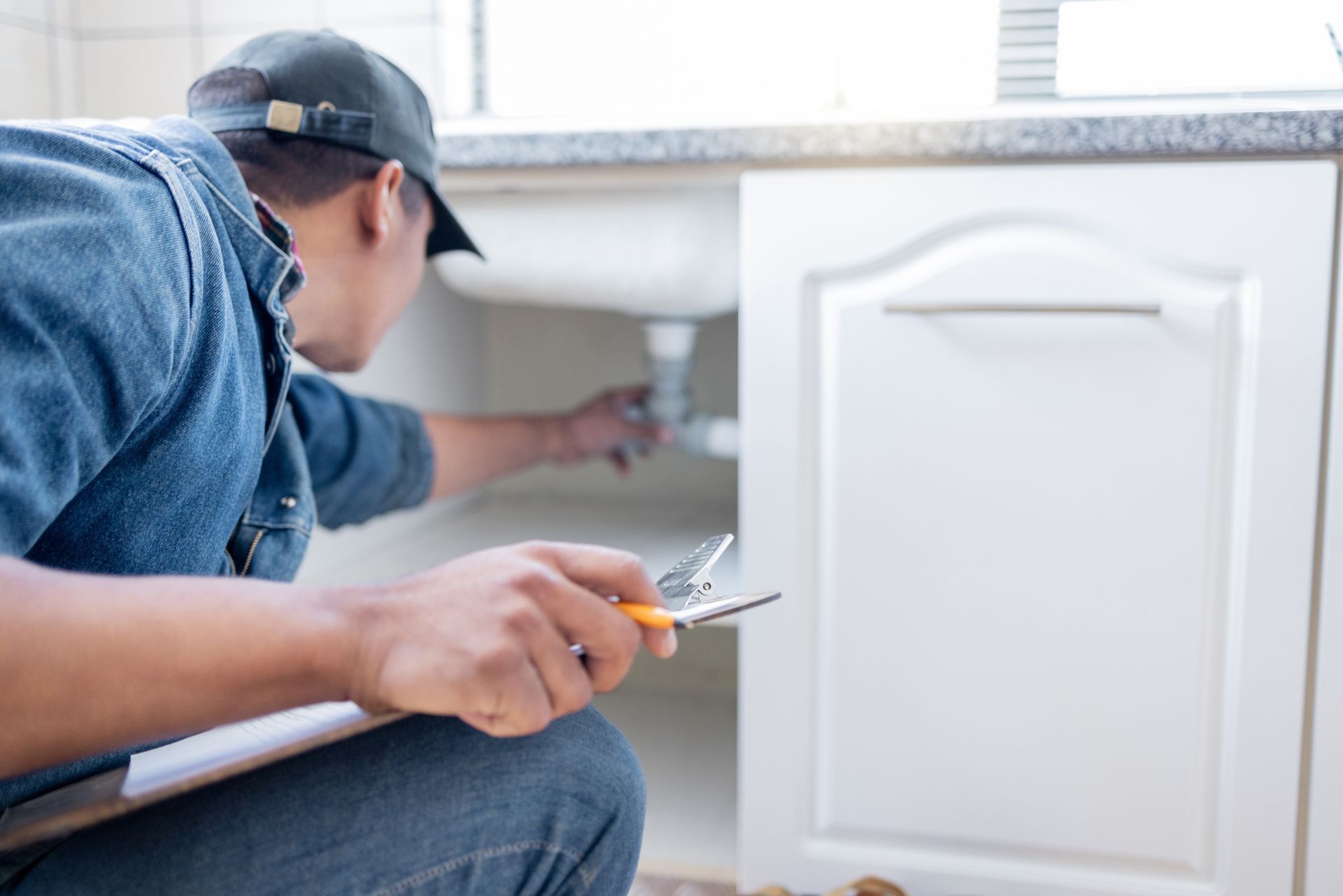
Open the cabinet doors under every sink and take a good look. You're checking for water stains, soft spots in the cabinet floor, or active drips.
These are signs of a
slow leak — the kind that quietly damages wood and creates mold before you ever notice it from the outside.
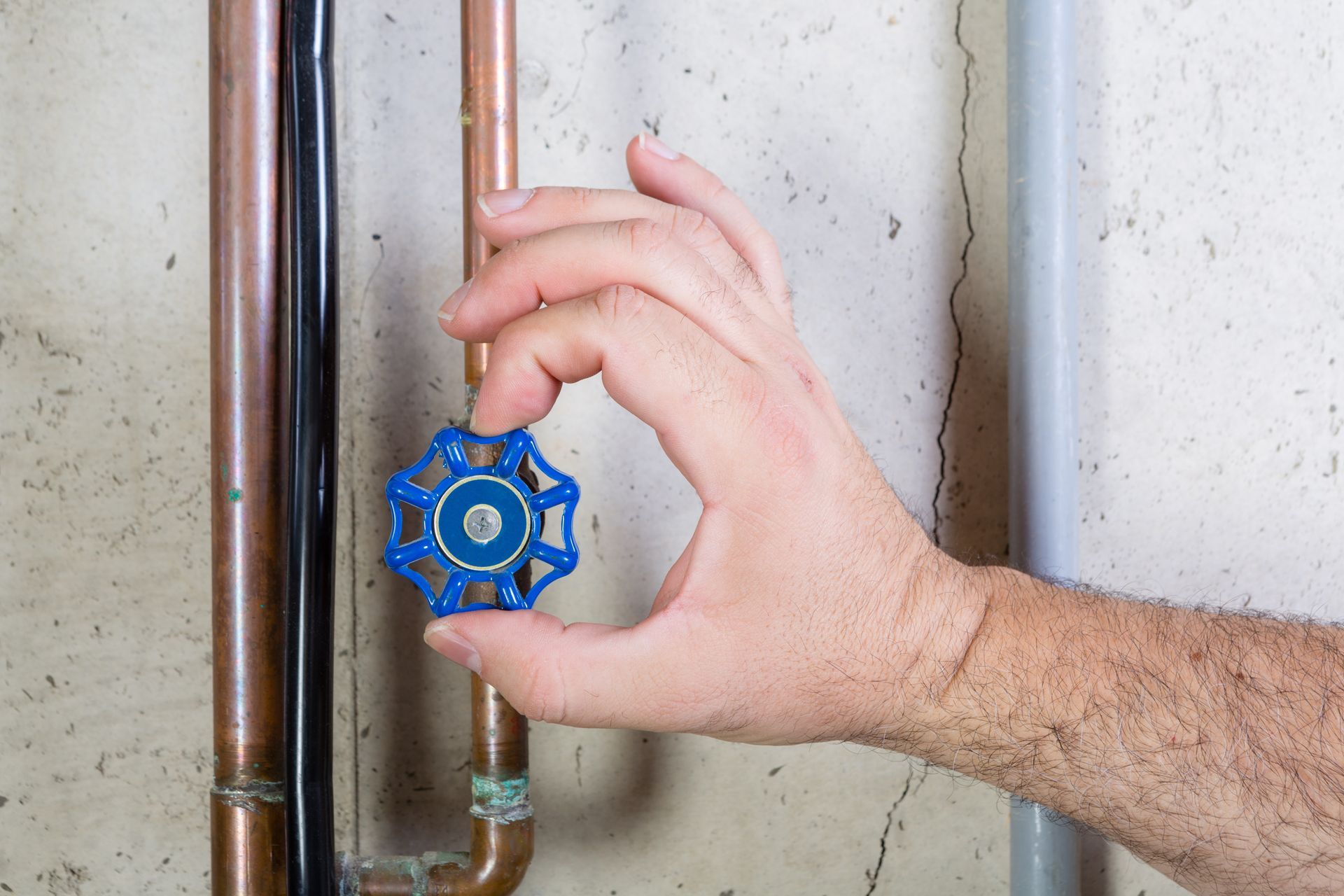
3. Test All Your Shutoff Valves
Every toilet, sink, and appliance has a shutoff valve. It’s a small knob or lever that cuts off water to just that fixture.
Turn each one off and back on. If they're stiff, stuck, or won't turn all the way, that's a problem. A frozen shutoff valve in an emergency can mean the difference between a small repair and a flooded room.
4. Flush and Inspect Every Toilet
Give each toilet a flush and watch what happens. Does it run for more than 30 seconds after flushing? Does it make a hissing sound between flushes?
Both signs point to a faulty flapper, which is a rubber seal inside the tank that controls water flow. It's a cheap, easy-to-replace part. A running toilet can waste up to 200 gallons of water per day if ignored.
5. Check Your Water Pressure
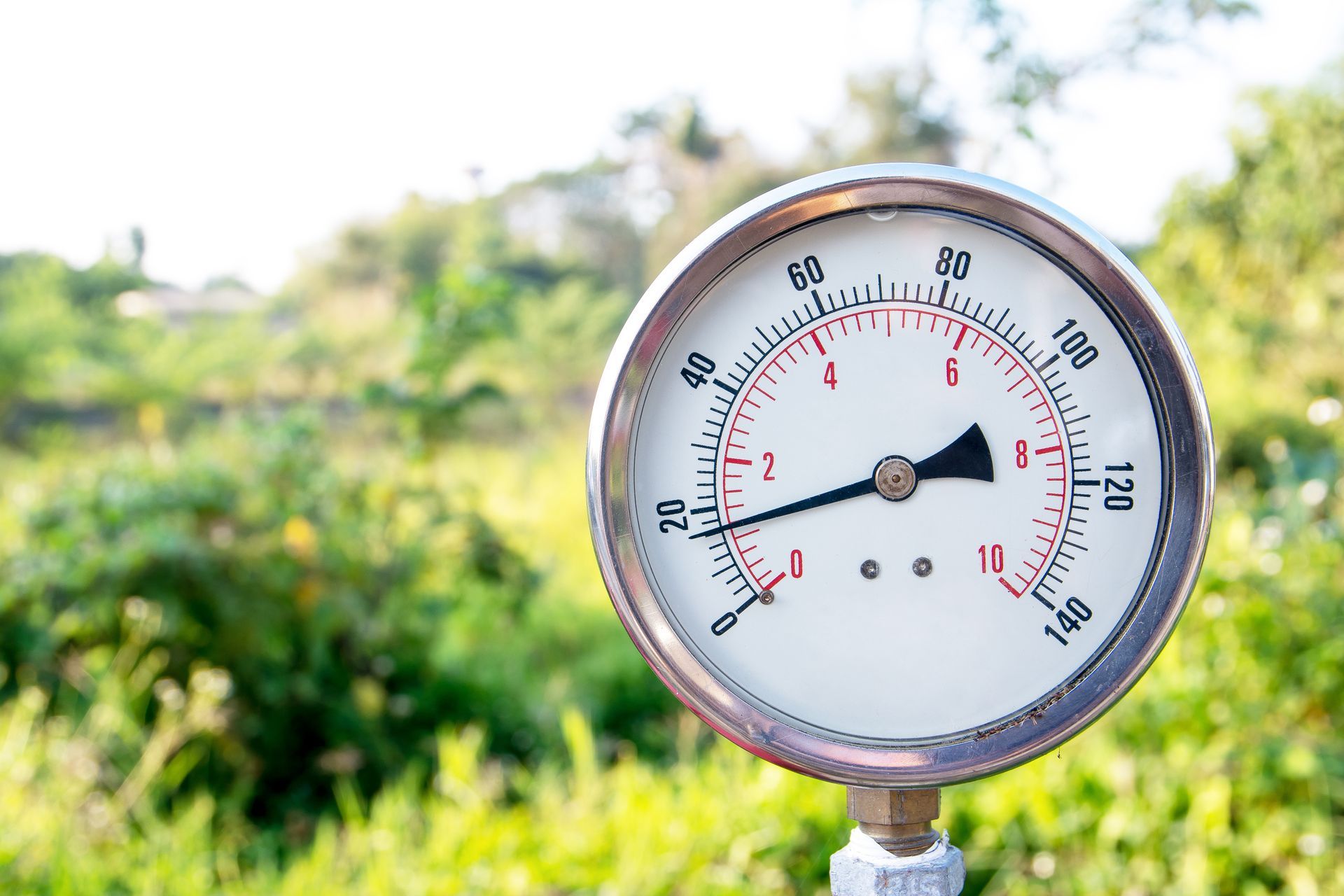
Low or inconsistent water pressure (the force at which water comes out of your fixtures) can be a sign of a buildup, a leak, or a failing pressure regulator.
You can buy a simple water pressure gauge at a hardware store and attach it to an outdoor spigot. Normal home water pressure is between 40 and 80 PSI (pounds per square inch). Anything outside that range deserves a closer look.
6. Inspect Outdoor Hose Bibs and Spigots
A hose bib is the outdoor faucet where you connect a garden hose. After a Utah winter, these are common spots for freeze damage.
Turn the spigot on and check for reduced flow, drips around the handle, or water coming from the wall instead of the nozzle. Any of those signs means the
pipe behind the wall may have cracked during a hard freeze.
7. Run Water in Rarely Used Drains
Guest bathrooms, utility sinks, and basement floor drains often sit unused for months. When a drain sits dry for too long, the water inside the trap (a U-shaped pipe that blocks sewer gases from entering your home) evaporates.
Run water in every drain for about 30 seconds. This refills the trap and keeps unpleasant odors out of your living space.
8. Check for Slow or Gurgling Drains
Slow drains are one of the most common spring plumbing complaints across the Wasatch Front. Hair, soap scum, and debris build up over winter.
A gurgling sound from a drain often indicates that air is being trapped, which can point to a partial clog or a venting issue in the drain system. Try a drain cleaner safe for your pipe type, but if the problem keeps coming back, it's time to call a pro.
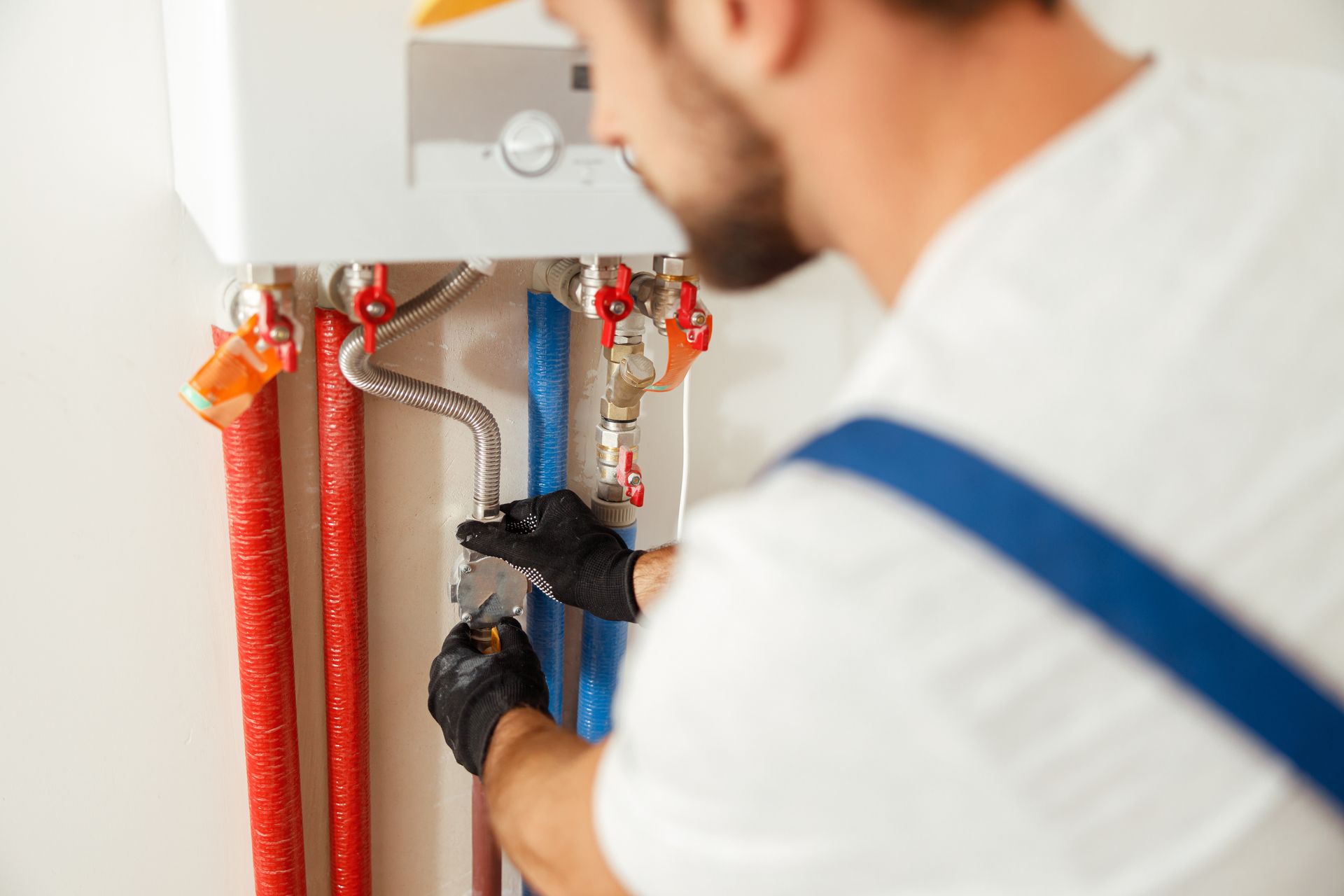
9. Inspect the Area Around Your Water Heater
Walk over to your
water heater and take a look around the base. Any pooling water, rust-colored stains, or corrosion on the tank or connections needs attention.
Also listen for popping or rumbling sounds when the heater is running. That usually means sediment (mineral buildup from Utah's
hard water) has collected at the bottom of the tank. Flushing the tank once a year can significantly extend its life.
10. Test Your Sump Pump
A
sump pump is a device installed in the lowest part of your basement that pumps out water before it can flood the space. Spring snowmelt and rain season put it to work.
Test yours by pouring a bucket of water into the sump pit (the hole in the floor where the pump sits). The pump should turn on automatically, move the water out, and shut off on its own. If it doesn't respond quickly, have it inspected before the rainy season begins.
11. Look for Signs of Water Damage in Ceilings and Walls
Slow plumbing leaks don't always happen in obvious spots. Walk through your home and look up.
Brownish stains on ceilings, bubbling paint, or soft drywall near walls with plumbing behind them are all warning signs. These can point to a leaking pipe hidden inside the wall — something that needs professional attention before it becomes a major renovation.
12. Schedule a Professional Plumbing Inspection
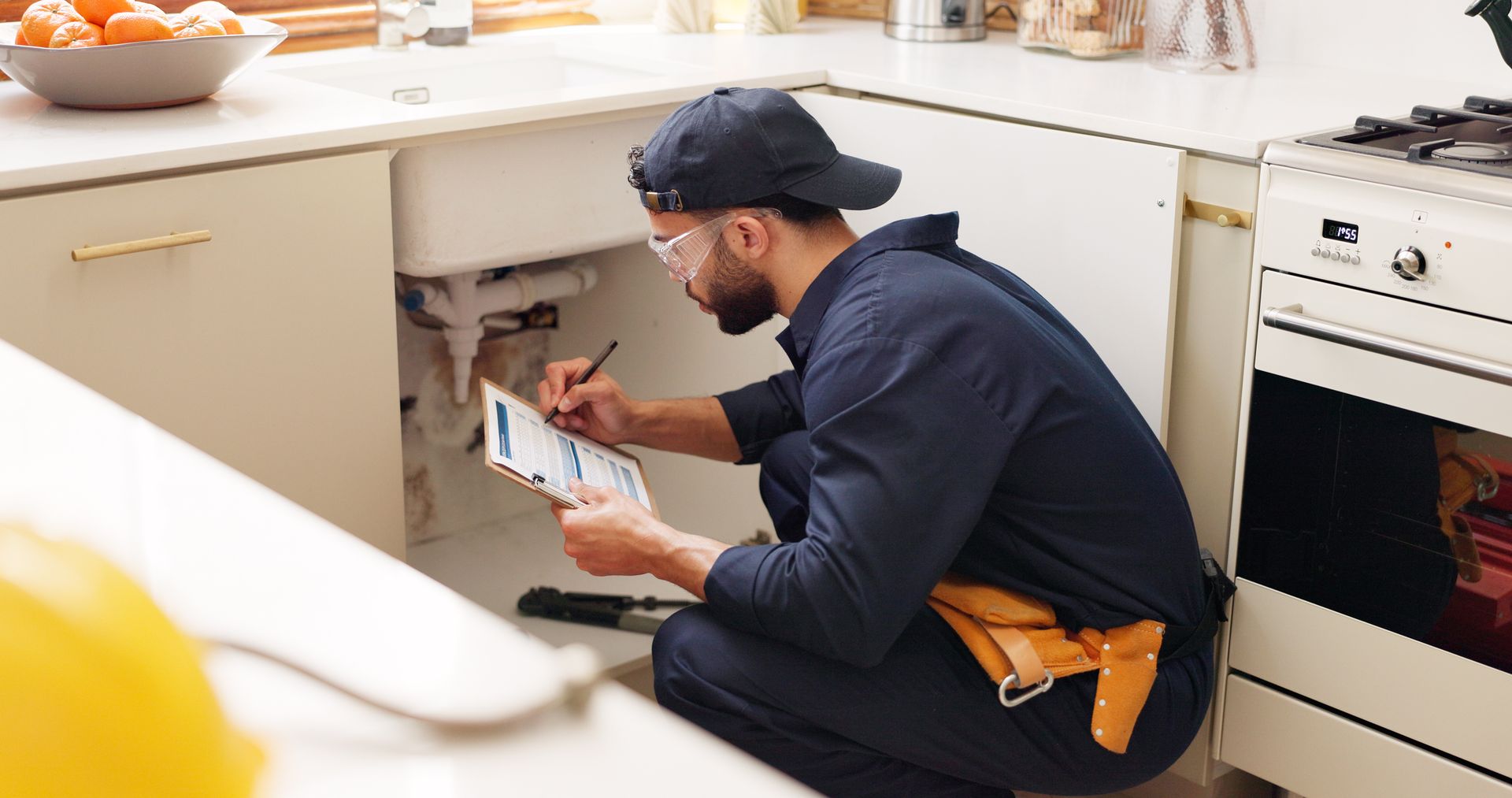
A trained plumber can see things you can't, especially inside pipes and walls. An annual plumbing inspection gives you a full picture of your system's health.
This is especially valuable for older homes and homes with a history of hard water issues, which is very common across Utah. If you’re not sure when your last inspection was, spring is a great time to schedule one, especially if you want a true seasonal plumbing inspection and not just a quick glance.
Quick-Reference: Warning Signs That Need a Pro
If you notice any of the following during your walkthrough, don't wait. Call a licensed plumber:
- Water pressure that drops suddenly or stays consistently low
- Any standing water or pooling near appliances or under sinks
- Sewage smell coming from drains or near the water heater
- Water stains on ceilings or walls with no obvious source
- A sump pump that doesn't respond or runs nonstop
- Discolored water (brown, yellow, or rusty-looking)
These aren't DIY situations. Getting a professional involved early almost always saves money compared to waiting.
Frequently Asked Questions
How often should I do a plumbing maintenance check on my home?
Once a year is a good baseline for most homes. If your home is older than 20 years or has a history of plumbing issues, consider a professional inspection every year and a personal walkthrough each season. That seasonal routine is one of the simplest Utah plumbing tips for staying ahead of leaks.
What's the most common spring plumbing problem in Utah?
Outdoor spigot damage from winter freezes is one of the most common issues. Hard water mineral buildup in water heaters and sediment in pipes is also very common across the Wasatch Front due to Utah's water chemistry.
Can I fix a running toilet myself?
In most cases, yes. A running toilet is usually caused by a worn flapper or a float that needs adjusting — both are inexpensive parts available at any hardware store. Video tutorials make this a manageable DIY fix for most homeowners. If replacing the flapper doesn't solve it, call a plumber to check the fill valve or other internal components.
How do I know if my water heater needs to be replaced or just serviced?
Water heaters typically last 8 to 12 years. If yours is in that range and showing signs like rust-colored water, inconsistent hot water, or visible corrosion on the tank, replacement may make more sense than repair. A licensed plumber can give you an honest assessment.
What causes low water pressure in a Utah home?
Common causes include sediment buildup in pipes or fixtures, a failing pressure regulator, or a hidden leak somewhere in the system. Utah's hard water (water with high mineral content) is a frequent culprit because it causes buildup inside pipes over time. If cleaning faucet aerators doesn't help, have a plumber check the pressure regulator and main supply line.
You've Got a Great Head Start — Now Let's Make Sure It's Done Right
Working through this checklist puts you way ahead of most homeowners. You've looked at the spots that get ignored all winter, and you know what to watch for.
At Rare Breed Plumbing, Heating, and Air , we work with homeowners across the Wasatch Front every day — and the number one thing we hear is "I wish I'd caught this sooner." A spring inspection is one of the best ways to stay ahead of issues and prevent plumbing problems before they turn into emergency calls.
If you found something on your walkthrough that didn't look right, or if you just want a second set of trained eyes on your plumbing system, we're here to help. No pressure, no upselling — just honest answers from a team that treats your home like their own.
Reach out to
schedule your spring plumbing inspection today. We'll take it from there.