Water pressure affects nearly every part of your daily routine, from taking a shower to washing dishes and doing laundry. When it feels too weak, simple tasks become frustrating. When it’s too high, it can silently damage pipes, fixtures, and appliances over time. That’s why learning how to check water pressure at home is a valuable skill for any resident.
The good news is that checking water pressure is simple and only takes a few minutes. Whether you’re troubleshooting inconsistent flow, protecting your plumbing system, or simply curious about your home’s performance, understanding how to check your water pressure can help you spot problems early and avoid expensive repairs. Keep reading for a full walkthrough of how to test pressure, what numbers are considered normal, and what to do if your results seem too low or too high.
Why Water Pressure Matters
Your plumbing system is designed to work within a healthy pressure range. When the pressure drops too low, you may notice weak showers, slow-filling tubs, or appliances that take longer to run. When pressure is too high, the issue may not feel obvious at first, but over time, it can wear out faucets, valves, toilets, and even your water heater. Checking your pressure periodically is a simple way to catch hidden issues before they turn into leaks or expensive repairs. If you want to check home water pressure, think of it as preventative maintenance for the entire plumbing system.
What You Need to Test Your Water Pressure at Home
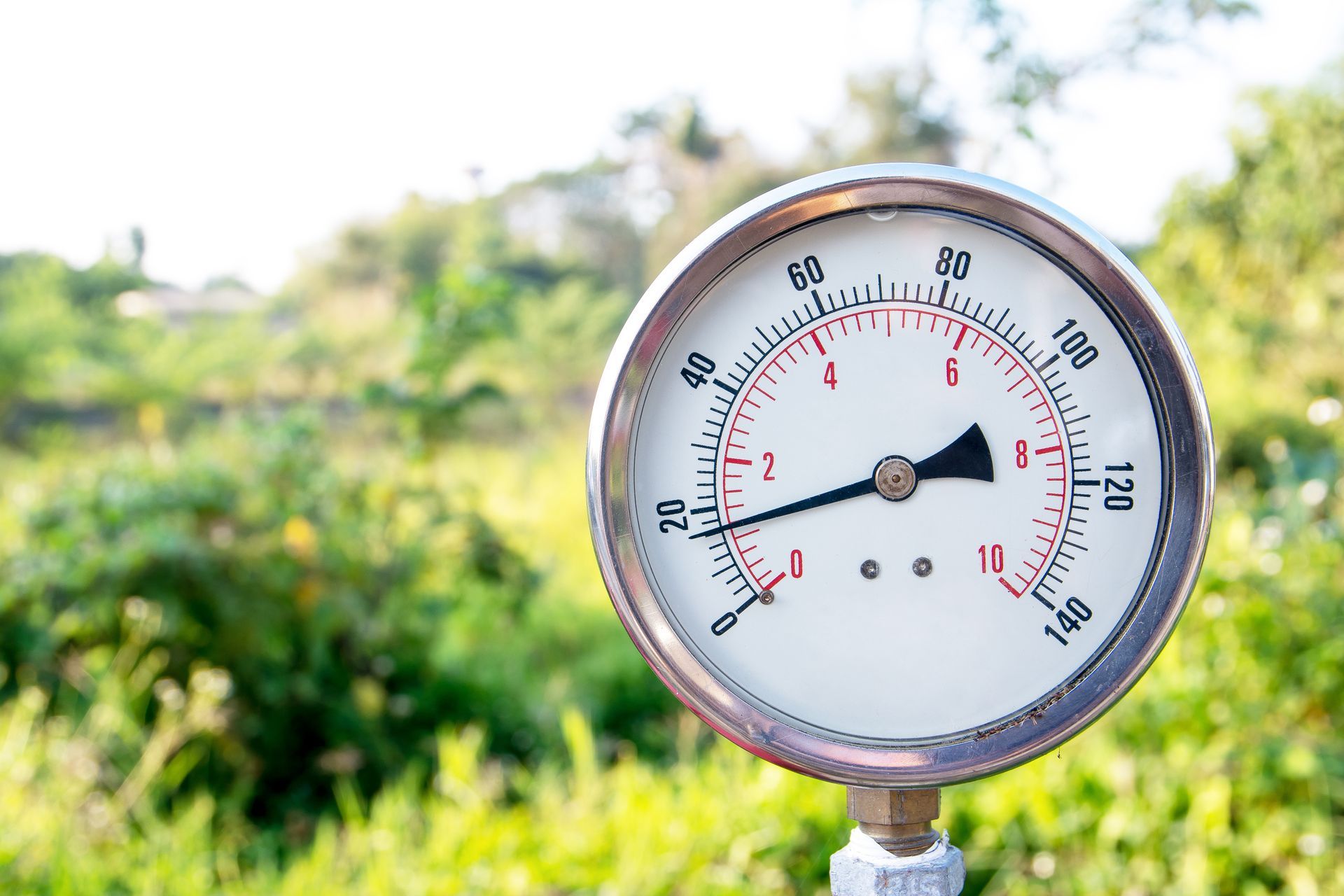
The easiest way to learn how to check your water pressure at home is by using a standard water pressure gauge. This inexpensive tool screws onto a hose bib, laundry faucet, or utility sink and gives you a PSI reading within seconds. Most homes ideally have water pressure between 40 and 60 PSI, with around 50 PSI being comfortable for most households. If the number falls well outside this range, your plumbing system may need attention.
How to Check Water Pressure at Home
The process itself is straightforward. Start by finding an exterior hose spigot or another faucet that’s connected close to the main water supply. Outdoor hose bibs are often the easiest place to get an accurate reading. Before attaching the gauge, make sure no water is running anywhere in the house. This includes showers, dishwashers, sprinklers, washing machines, and any active dripping faucets. Running water during the test can affect the PSI reading, making it less accurate. Next, screw the gauge onto the faucet by hand until it feels snug. Once it’s secure, turn the faucet on fully and watch the needle rise. The final PSI reading shows your home’s current water pressure.
- <20 PSI: Below minimum pressure requirement
- 20 PSI: Minimum allowed in Utah, but still lower than the normal residential range
- 40–60 PSI: Ideal residential range
- Over 80 PSI: Too high and should be inspected
This is the simplest way to check home water pressure and determine whether your plumbing system is operating within a safe range.
What Low Water Pressure Could Mean
If the reading is below the ideal range, there may be an issue affecting water flow somewhere in the system. In many homes, low pressure develops gradually, so homeowners often don’t notice it until showers feel weaker or sinks take longer to fill.
Common causes include mineral buildup in older pipes, partially closed shutoff valves, hidden leaks, or corrosion that restricts the inside of the line. In some cases, the issue may stem from the municipal water supply, but if the problem is only happening in your home, it’s usually tied to your own plumbing. Understanding how to check water pressure in your home gives you a valuable clue when diagnosing these issues.
What High Water Pressure Could Mean
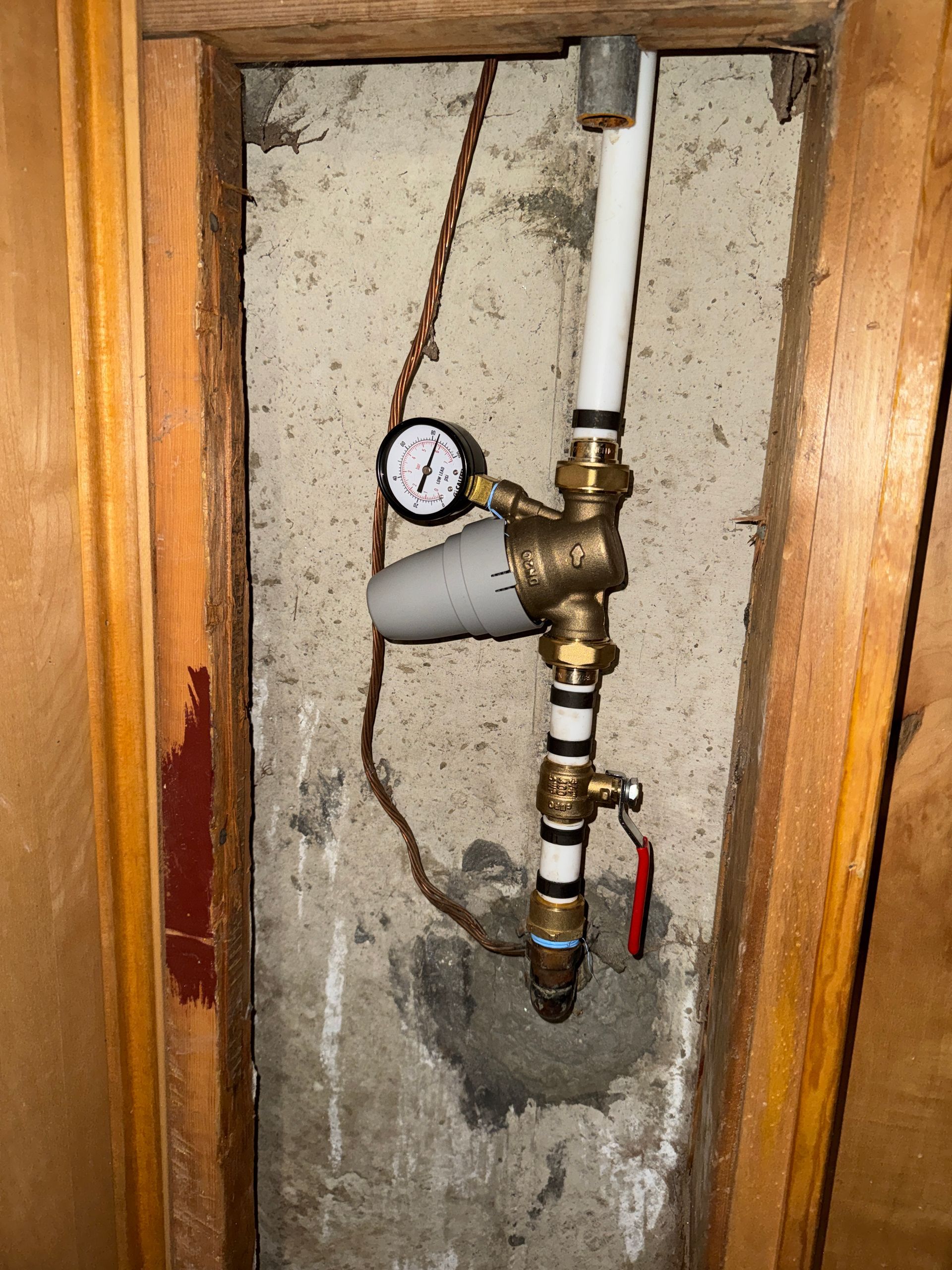
Many homeowners assume stronger pressure is better, but excessive PSI can be hard on the entire plumbing system. Pipes, fittings, toilets, dishwashers, and water heaters all experience more wear when pressure is too high. This often happens due to a failing pressure-reducing valve, changes in the city water supply pressure, or pressure spikes caused by water heater expansion. If your PSI consistently reads over 80, it’s worth having the system professionally adjusted before it causes damage. Knowing how to check your home water pressure can help you catch these silent issues before they create leaks.
How Often Should You Check Your Water Pressure?
A good habit is to test your home’s water pressure once or twice per year. It’s also smart to check it anytime you notice changes in water flow, repeated fixture leaks, or after installing major appliances like a dishwasher or washing machine. If you’re already experiencing plumbing issues, learning how to check your water pressure at home can provide helpful information before scheduling service. You should also consider testing if you notice:
- Frequent faucet leaks
- Banging pipes or water hammer
- Sudden changes in shower pressure
- Repeated toilet fill valve problems
These are all common signs that pressure may be too high or unstable.
Can You Adjust Water Pressure Yourself?
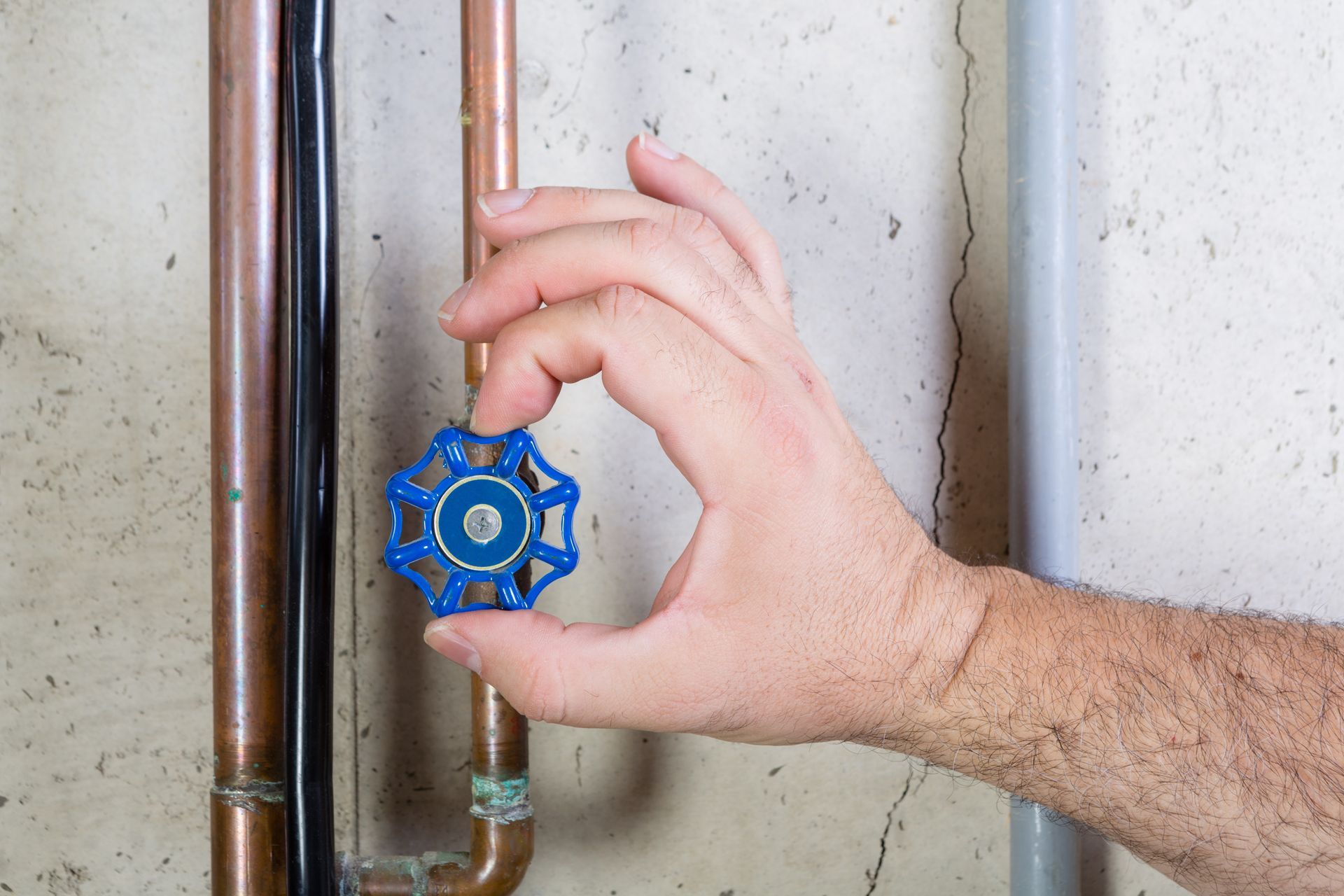
In many homes, pressure is controlled by a pressure-reducing valve near the main shutoff. While some homeowners attempt to adjust it on their own, incorrect changes can easily push the PSI too high or too low. If you’re not comfortable working with the
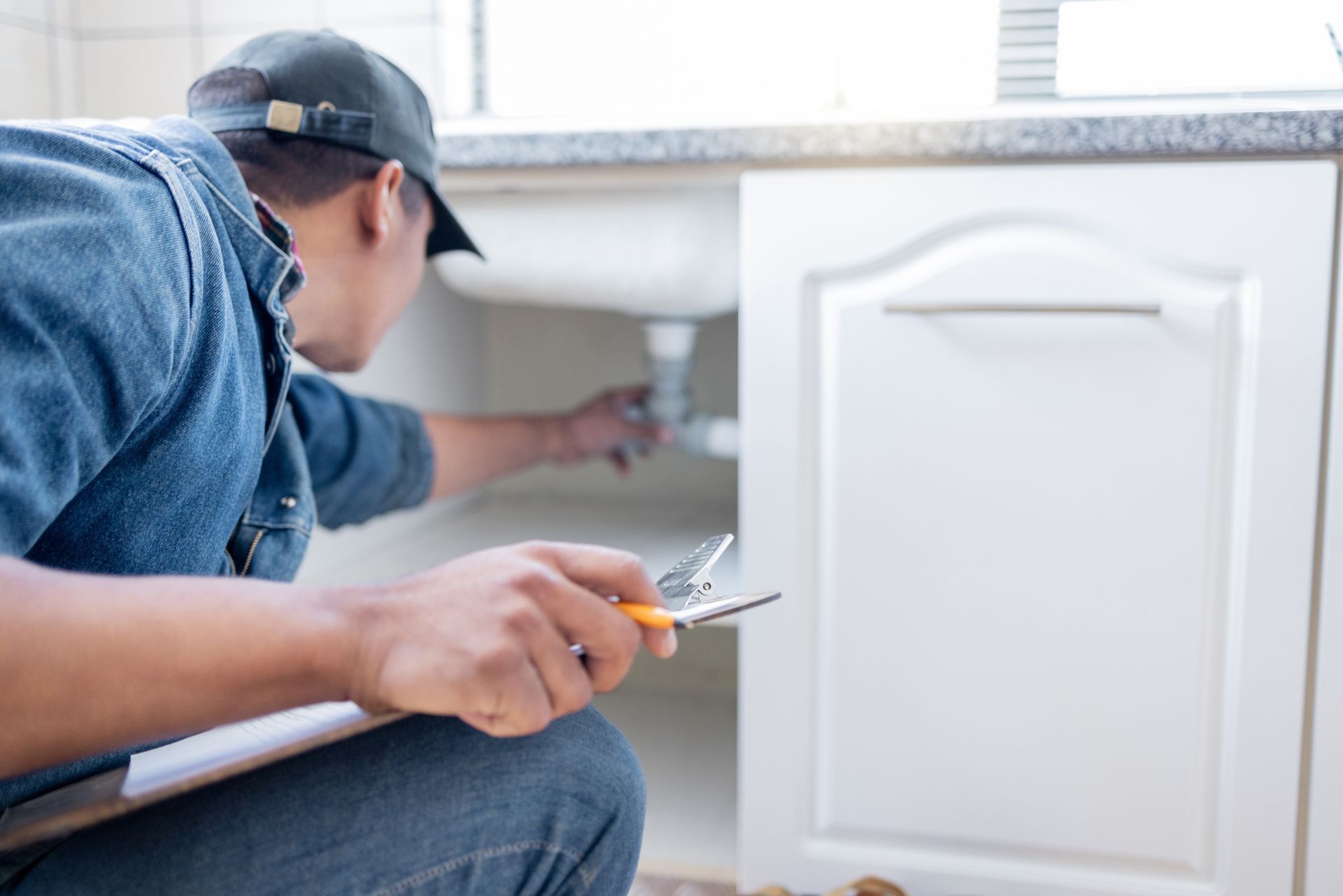
main water line, it’s best to let a plumber adjust. A professional can test the system, confirm the source of the issue, and safely restore balanced pressure throughout the house.
Get Professional help from Rare Breed Plumbing, Heating, and Air
Learning how to check water pressure at home is one of the easiest ways to protect your plumbing system and catch problems early. But if your PSI readings are inconsistent, too high, or too low, it may be time for a professional inspection.
At Rare Breed Plumbing, Heating, and Air, our experienced team helps homeowners diagnose water pressure problems, inspect pressure-reducing valves, locate hidden leaks, and restore healthy flow throughout the home. Whether the issue is caused by
aging pipes, buildup, or a faulty regulator, we provide long-term solutions designed to protect your plumbing system.
If you need help understanding your PSI results or want expert service to correct pressure issues,
contact Rare Breed Plumbing, Heating, and Air today. We’ll help ensure your home’s water pressure stays safe, efficient, and comfortable every day.