Your house is not too old to have good water pressure. I go into so many homes where people have just accepted weak pressure because the place is older, and they say it like it's the weather, like there's nothing they can do about it. That is not true. Water pressure can almost always be fixed. You just have to find what is actually causing it instead of guessing.
And it is worth finding, because low pressure touches everything. The shower that takes twice as long to rinse, the kitchen faucet that used to run strong and now trickles, the dishwasher that doesn't clean as well as it used to. Out here in Utah it is one of the most common things I get called about. So here is how I work through it.
Start With Two Questions
Before I touch anything, I ask two questions, and you can ask them too.
First, is it one fixture or the whole house? If it is just the one faucet, the problem is almost always right there at that fixture, and it is usually a quick fix. If the whole house is weak, now we are looking at the main line and everything feeding off it.
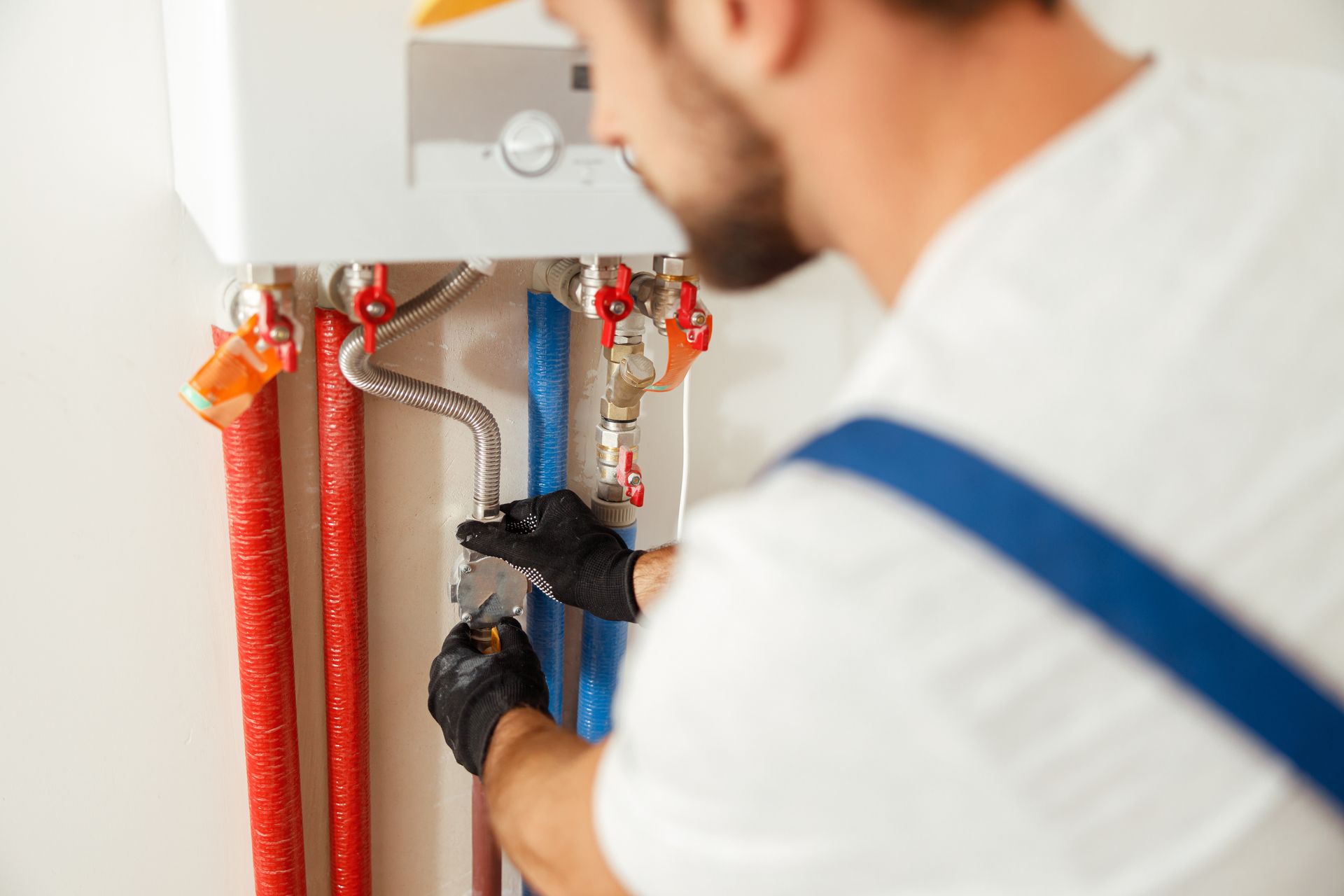
Second, is it only on the hot side, or the hot and the cold? This one tells me a lot. If the cold runs fine and only the hot is weak, that points me straight at the water heater and its connections, where scale and corrosion build up first. Weak on both sides points back at the main line or the pressure reducing valve.
Those two answers tell me where to look before I have spent a dollar of your money.
If It's One Fixture
Good news here, because this is usually something you can handle yourself.
Start with the aerator, that little screen on the tip of the faucet. Our water is so hard that those screens cake up with calcium and magnesium faster than just about anywhere in the country. Unscrew it, and if it is crusted white, drop it in white vinegar for half an hour and rinse it out. A new one is a couple of bucks if it is too far gone. Showerheads clog the same way, so soak yours in vinegar overnight. Ten minutes, almost no money, and I would try it before anything else.
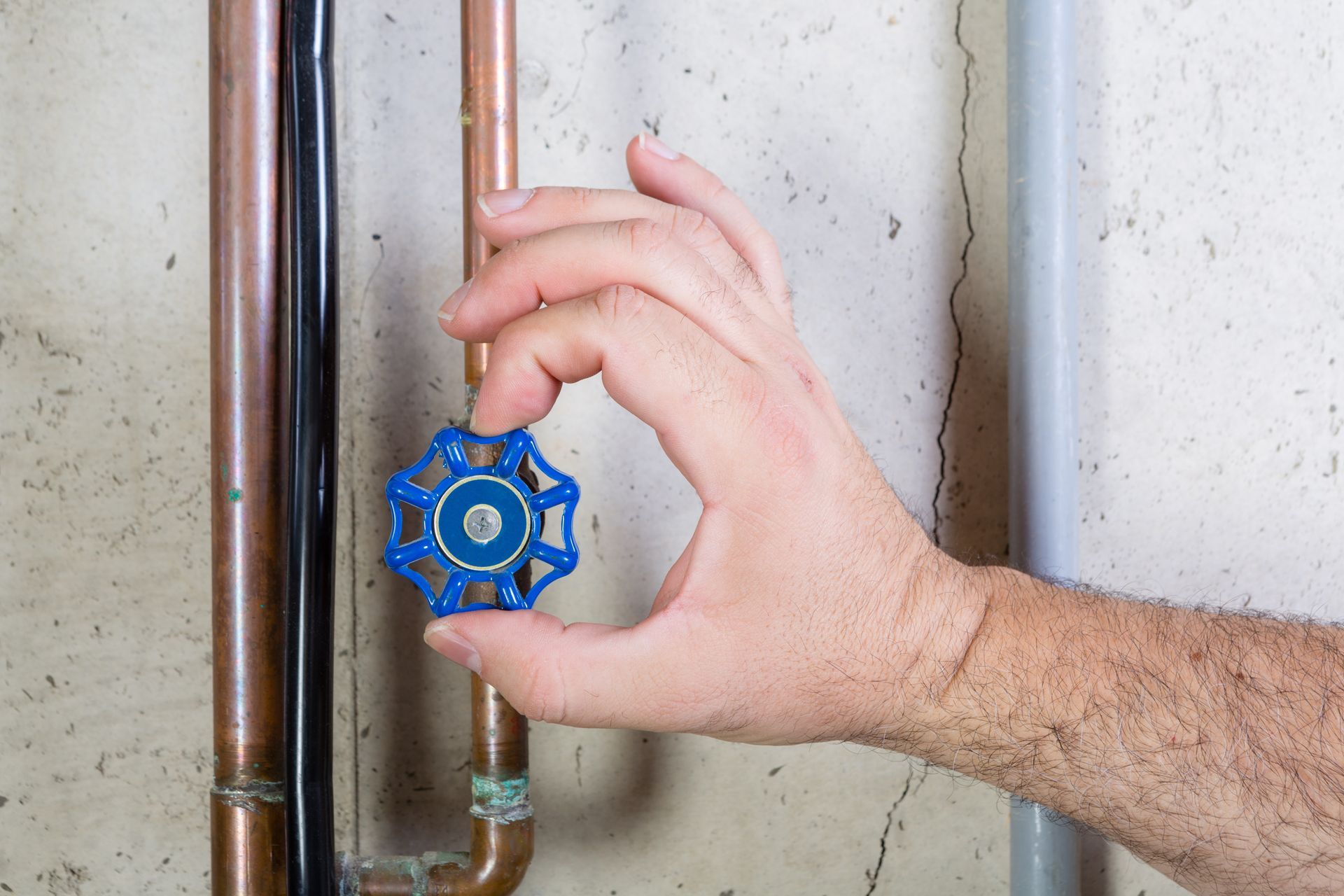
If that screen is clean, check the angle stop, the little shutoff valve under the sink or behind the toilet. Those seal with a rubber washer, and over time the chlorine in the water breaks that washer down. Close the valve all the way to make sure it still works, then open it all the way back up. If it will not shut the water off completely, it needs to be replaced. And if the aerator and the valve are both fine and that one fixture is still weak, it is usually a worn cartridge inside the faucet, which is a straightforward repair.
If It's the Whole House
This is where people get nervous, because everybody assumes it is the pipes and braces for a repipe. Sometimes it is. A lot of times it is not. Here is what I actually check, roughly in order.
The pressure reducing valve
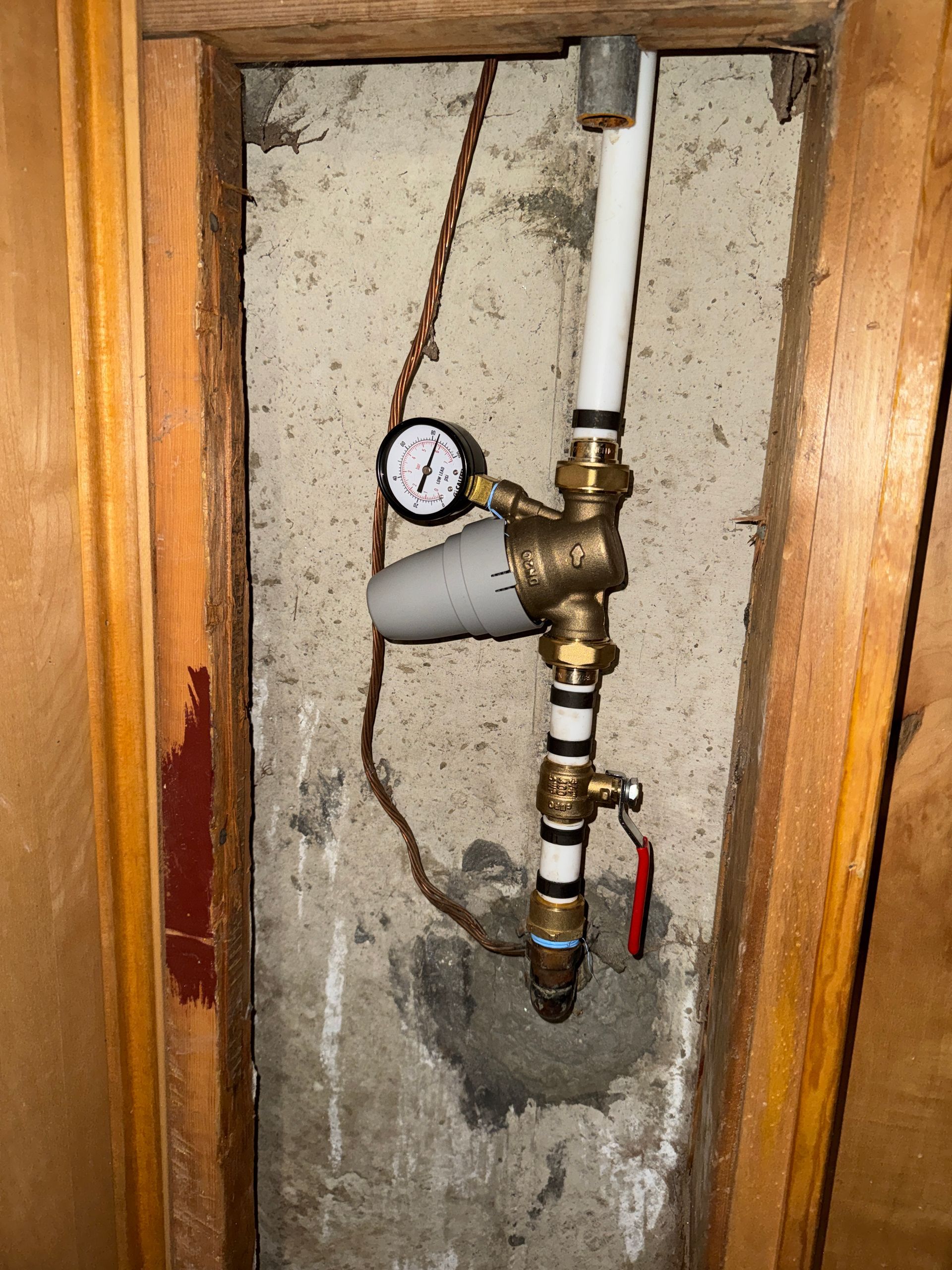
A lot of Utah homes have a PRV where the main line comes into the house, and its job is to knock the city's pressure down to a safe range, usually 50 to 80 psi. A PRV can last anywhere from 3 to 15 years, depending on the quality. And they fail two ways: stuck closed, which leaves you with low pressure, or stuck open, which lets too much pressure through. Either way, the good news is that a PRV is a far smaller job than a repipe.
 Your water softener
If you have a softener and its valve is failing or set wrong, it can choke the pressure to the whole house. Easiest test there is, bypass it for a few minutes. If the pressure jumps, you found your culprit.
Scale in your pipes
Utah has some of the hardest water in the country, so over the years that mineral scale narrows your supply lines from the inside. I see it worst in older homes on galvanized steel pipe, which was standard before the 1970s. Galvanized corrodes from the inside and collects scale at the same time, and it will choke a one-inch pipe down to the size of a pencil lead. If your home is older, you are on galvanized, and the pressure has dropped slowly over years, that is usually the answer, and repiping is the permanent fix.
Here is where I want to be straight with you. Scale is one of the most common pressure killers we see out here, but it is not the only one, and I am not going to sell you a repipe you do not need. Plenty of times we show up expecting scale and the real culprit is a failing pressure reducing valve, which is a far smaller job. You cannot know which one it is by guessing. That is the whole reason we put a gauge on it and check before we quote you anything.
Outside the home
Sometimes it is not inside your house at all. It can be the water main running from your meter to the house. That line has been buried for decades, slowly rusting out with the weight of the earth pressing down on it. We see them get pinched, develop pinholes and leak, or in the worst case burst and flood. If the pressure is weak at the house but everything inside checks out, that line outside is worth a look.
Pressure that is actually too high
This one catches people off guard. Pressure over 80 psi wears out the guts of your fixtures faster, the little valves and cartridges and washers, and a fixture that was fine two years ago can start blowing out rubber gaskets and leaking a lot sooner than it should. If your pressure is running high, a PRV brings it back into a safe range so the rest of your plumbing stops taking that beating.
Check It Yourself With a Gauge
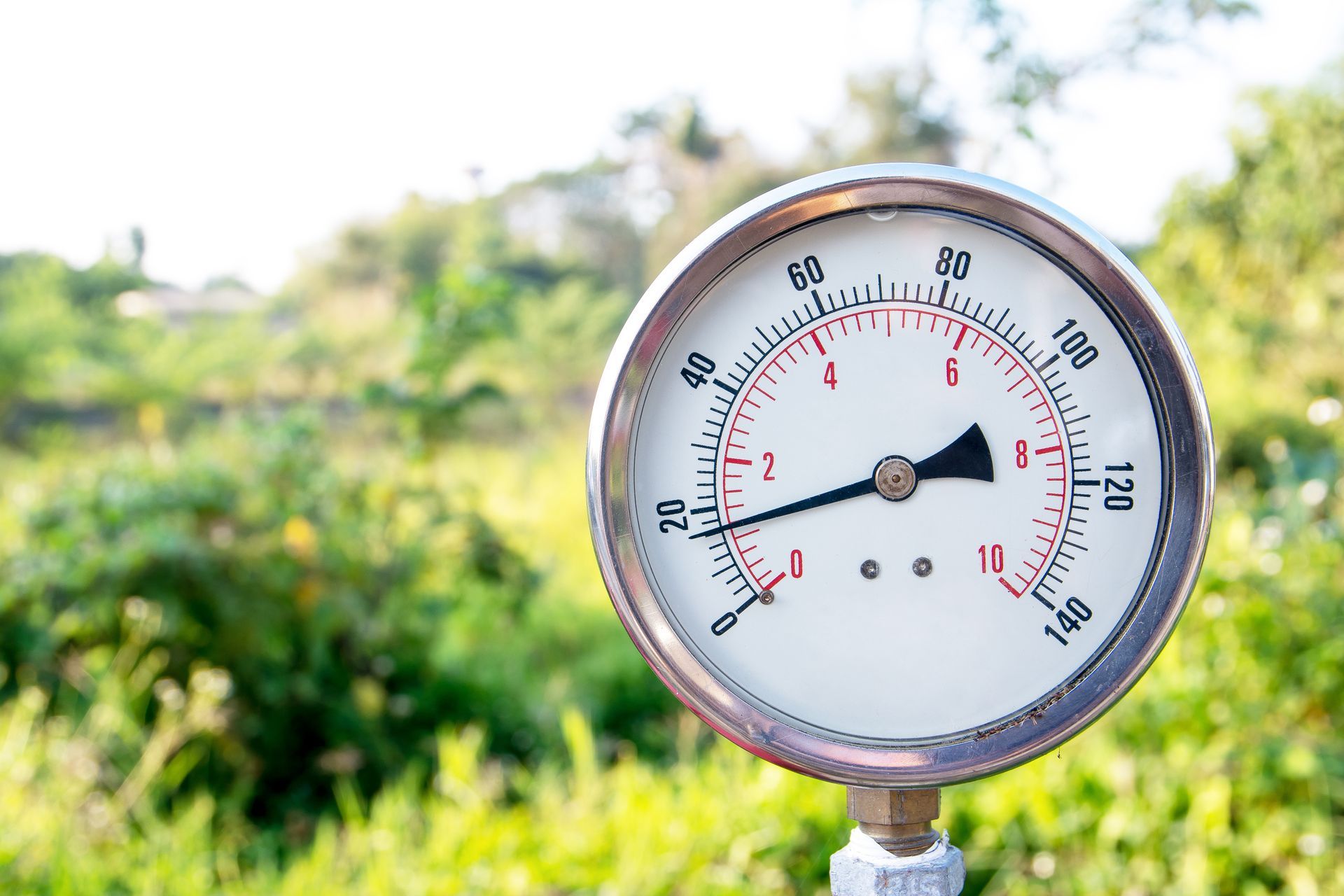
Before you call anybody, you can know your actual number. A pressure gauge that threads onto an outdoor hose bib runs 10 to 15 bucks at any hardware store. Screw it on, turn the water on all the way, and read it. Your static pressure, the reading with no water running, should be 50 to 80. Under 40 is low and you will feel it everywhere. Over 80 is hard on everything in the house.
Then check it again with one faucet running. A normal bathroom faucet should not drop your pressure more than about 10 psi off that static number. If it drops more than that, you have a restriction somewhere. Either way, that reading is the first thing I want to know when I show up, so you are already ahead of the game.
Frequently Asked Questions
What is normal water pressure for a house?
Static pressure, the reading with no water running, should sit between 50 and 80 psi. Under 40 you will feel it at every fixture. Over 80 is hard on your plumbing and worth bringing down with a pressure reducing valve.
Can I fix low water pressure myself?
Often yes, if it is just one fixture. Clean or replace the aerator on that faucet, and check that the angle stop under it is open all the way. Those two cover most single-fixture cases. When the whole house is weak, that is when you want a gauge on it.
Why is only my hot water pressure low?
When the cold runs fine and only the hot is weak, the problem is almost always at the water heater and its connections, where scale and corrosion build up first. That one answer narrows it down fast.
Does hard water cause low water pressure?
It can. Utah has some of the hardest water in the country, and over the years that scale narrows your pipes from the inside, worst of all in older homes on galvanized pipe. But scale is not the only cause, so I would never assume it without putting a gauge on the house first.
How do I know if my pressure reducing valve is failing?
If your gauge reads low at the house but the city pressure is normal, the PRV is the prime suspect. They last 3 to 15 years depending on quality, and they fail either stuck closed, which gives you low pressure, or stuck open, which lets too much through. Replacing one is a far smaller job than a repipe.
When to Call Us
Try the aerator and the angle stop first. Those are yours to handle, and a lot of the time they fix it. If the whole house is weak and the quick checks do not turn anything up, that is when you want us to put eyes and a gauge on it. Whole-house pressure, a suspected PRV, a softener, aging galvanized, that is our work.
At Rare Breed Plumbing, Heating, and Air we track down and fix low water pressure all over Salt Lake and Utah County. Call 385-449-0144 or book an appointment online, and we will find the source. No guessing.
Related: Water Softeners | Repiping Services | Water Line Repair