Did you know Utah has the hardest water per capita in the nation? That white stuff crusted on your faucets, the spots you can pick off with a fingernail, that is calcium and magnesium. It is the same stuff your Tums are made out of. And here is the part that gets people: you are not just looking at it on your fixtures, you are drinking it. It is like drinking from a mummy.
I bring it up because almost everybody here has it, and most people have no idea what it is quietly doing to their plumbing, their appliances, and their water heater. So let me walk you through why our water is so hard, what it actually costs you, and what I would do about it.
Why Our Water Is So Hard
It starts up in the mountains. When the rain and the snow come down and hit the Rockies, the water filters down through all that limestone, and on the way it picks up calcium and magnesium. The water holds onto those minerals the whole way to your house. Then it gets inside, it heats up, especially in your water heater, and it lets go of them. That is when the minerals drop out and turn into hard scale.
If you want the numbers, our water usually comes in around 200 to 300 parts per million of hardness. The USGS calls anything over 180 very hard, and we blow right past that. Soft water is under 60. So we are running roughly five times the mineral load of soft water, every gallon, all day long.
What It Does to Your Water Heater, and Everything Else
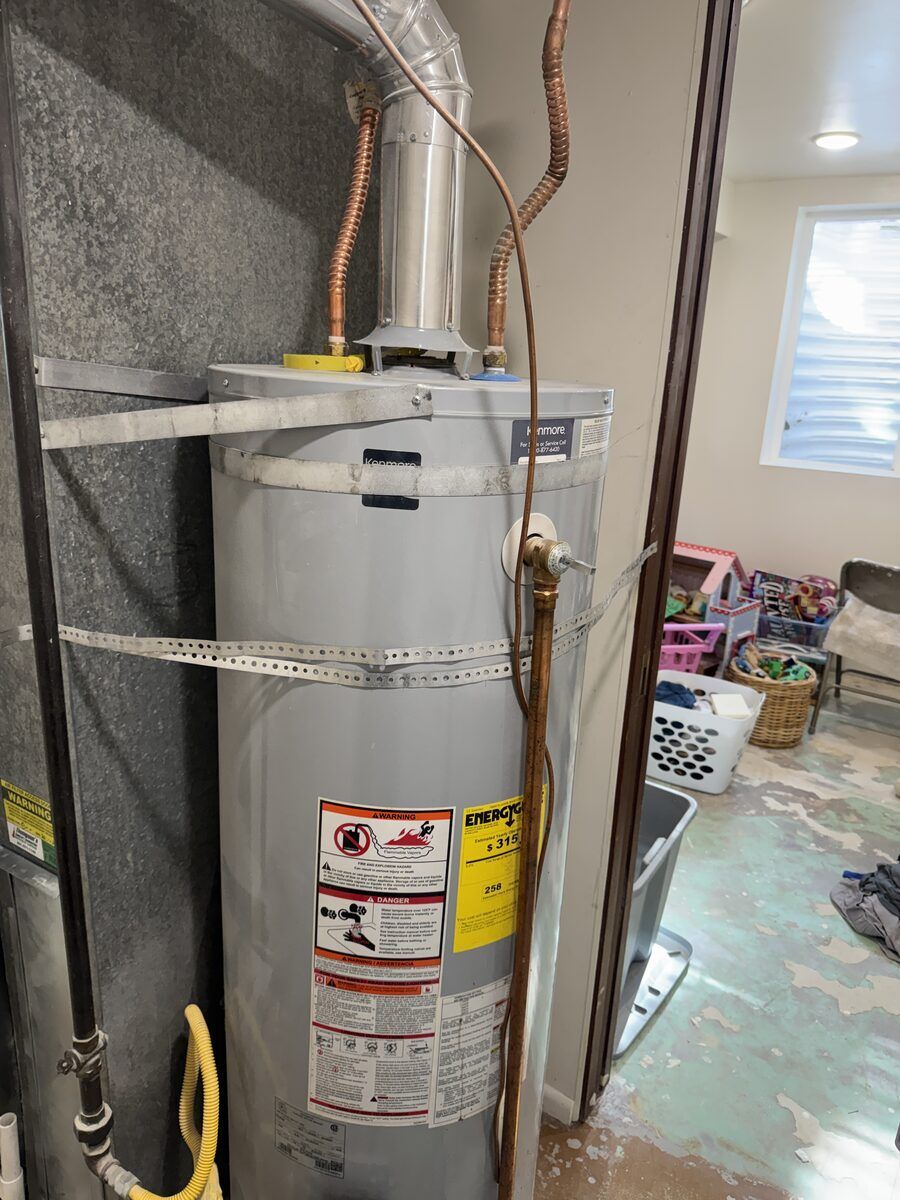 Your water heater takes the worst of it. It holds 40 to 80 gallons of hot water around the clock, and heat is exactly what makes those minerals drop out, so the scale settles to the bottom of the tank and just builds. That layer acts like a blanket between the burner and the water, so the heater works harder, runs longer, and costs you more. It cakes the bottom, and that popping and rumbling you hear out of an older heater is the scale crackling under the heat. A heater on hard water with no softener fails years before it should.
It does not stop at the heater. It cakes up your faucet aerators until they trickle, blocks your dishwasher spray arms, and eats at the valves in your washing machine. I have lived this one. When I moved into my place in Herriman, the previous owner had run no softener, and the hard water had chewed through everything. I ended up replacing three faucets, two dishwashers, and a washing machine. I knew they would probably be a problem. I just did not know they would fail that fast.
How to Know You've Got It
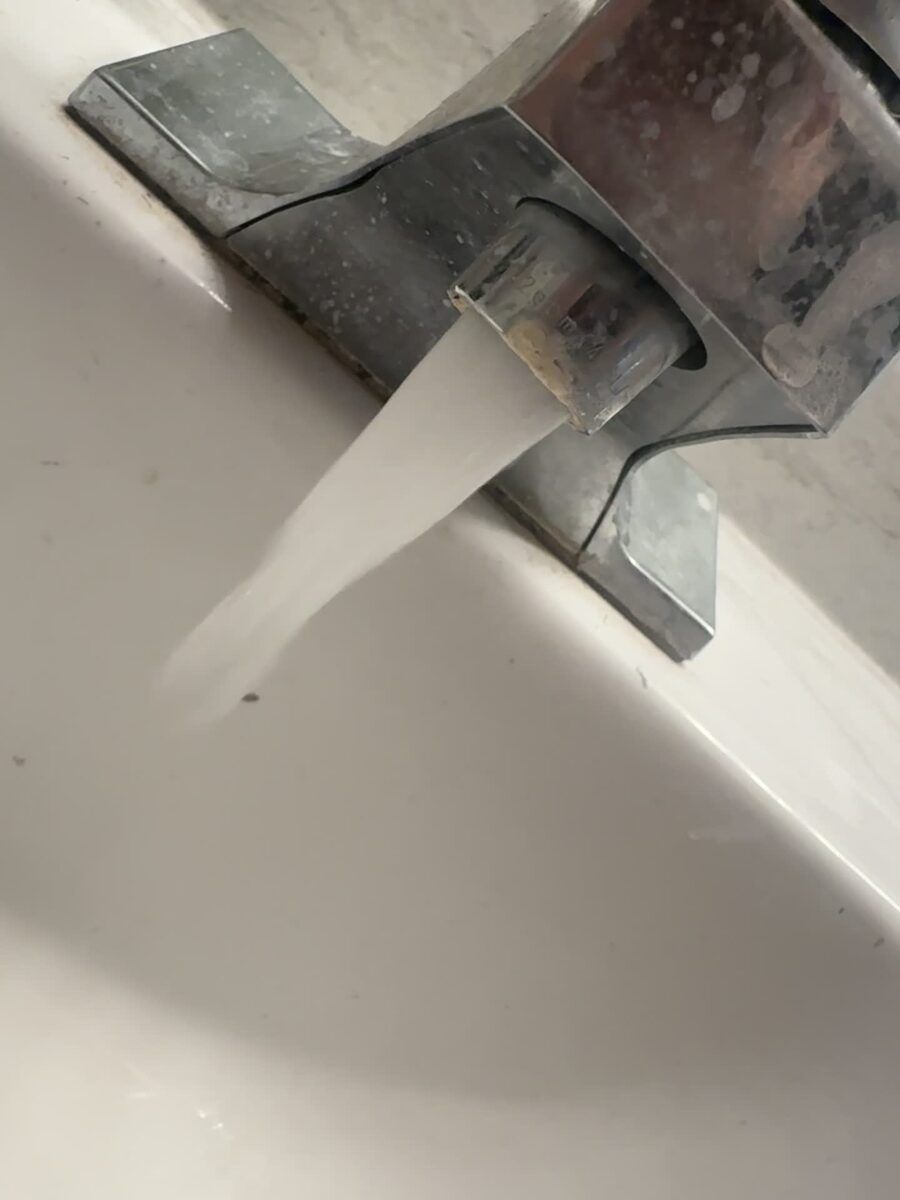 You do not need a water test to see it. Look for:
- White or yellow-green crust around your faucets and showerheads
- Spots and film on your glasses straight out of the dishwasher
- Soap scum that comes back faster than you can wipe it down
- Towels and clothes that feel stiff after a wash
- That rumble or pop from the water heater
The crust on your faucet and the scale inside your water heater are the exact same material. One you wipe off with vinegar. The other is cutting years off a thousand-dollar appliance.
What I'd Do About It
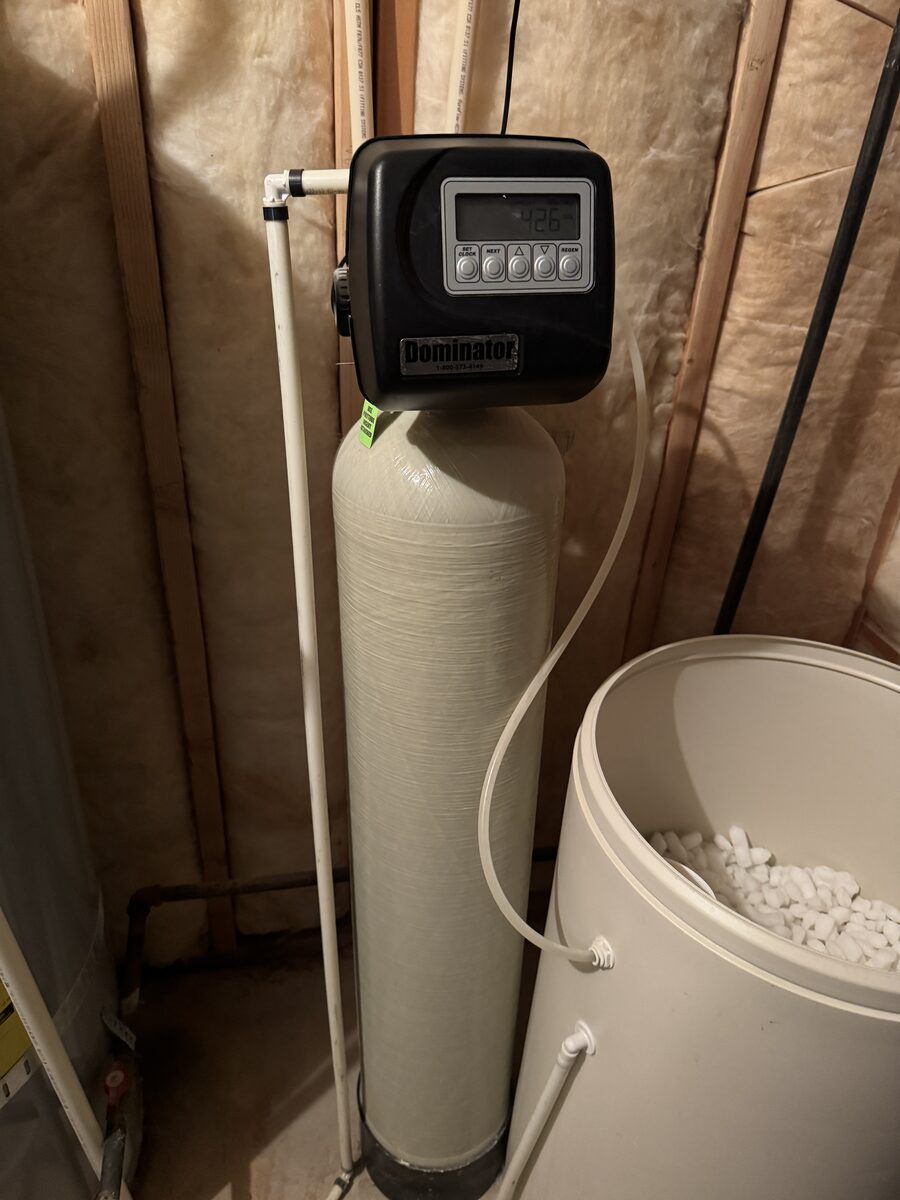 Out here you have to be preventative, and the workhorse is a water softener. It treats all the water coming into the house and runs on an ion exchange, swapping the calcium and magnesium for sodium, which does not scale. The whole house gets the benefit: your pipes, your heater, your washer, your showers. Soap lathers, glasses come out clean, fixtures stay nice.
Now here is the one thing I need you to hear before you spend a dollar. A real softener uses salt. The salt is the whole point, that is what actually pulls the hardness out. If somebody tries to sell you a saltless water softener, that is snake oil. It might condition the water, which is fine, but it does not soften it, and it will not protect your pipes or your heater. No salt, no soft water.
If you want great drinking water on top of that, a reverse osmosis system under the kitchen sink pushes your water through a membrane and pulls the minerals and a lot of other junk out. It does not protect your plumbing the way a whole-home softener does, but it gives you clean, good-tasting water for drinking and cooking. A lot of folks here run both, a softener for the house and RO at the tap.
When to Have Us Look First
If hard water has been working on your home for years with no treatment, get it looked at before you bolt on a new system, because sometimes there is damage to deal with first. Low pressure through the whole house can mean scale has already narrowed your supply lines, and in an older home on galvanized pipe that can mean repiping a section before anything else. If the heater is loud or not keeping up, scale is usually why.
At Rare Breed we see this in Utah homes every single week. Sometimes a softener is all you need. Sometimes the pipes or the heater come first. Either way, we will tell you what we actually find, explain it in plain English, and hand you a clear quote before we start. Call 385-449-0144 or book online.
Frequently Asked Questions
How hard is Utah's water?
Utah has the hardest water per capita in the country. Most of our water comes in around 200 to 300 parts per million of hardness. The USGS classifies anything over 180 as very hard, and soft water is under 60, so we run about five times the mineral load of soft water, every gallon, all day.
What is the white crust on my faucets and showerheads?
That white stuff is calcium and magnesium, the same minerals your Tums are made of. The water picks them up filtering down through the limestone in the mountains, then drops them out as hard scale when it heats up inside your house. The crust on your faucet and the scale inside your water heater are the exact same material.
What does hard water do to a water heater?
The water heater takes the worst of it. Heat is what makes those minerals drop out, so the scale settles to the bottom of the tank and builds into a layer that sits between the burner and the water. The heater works harder, runs longer, and costs you more, and that popping or rumbling you hear is the scale crackling under the heat. On hard water with no softener, a heater fails years before it should.
Do saltless water softeners actually work?
No. A real softener runs on salt, and the salt is the whole point, that is what pulls the hardness out. A saltless system might condition the water, which is fine, but it does not soften it and it will not protect your pipes or your heater. No salt, no soft water.
Should I get a water softener or a reverse osmosis system?
They do two different jobs. A whole-home softener treats every gallon coming into the house and protects your pipes, heater, and appliances. Reverse osmosis sits under the kitchen sink and gives you clean, good-tasting drinking water, but it does not protect your plumbing. A lot of Utah homes run both, a softener for the house and RO at the tap.