Most people get a letter about their water use and go straight outside. They check the sprinklers. They check the hose bibb. They start timing showers.
The water is usually going down the toilet.
Your toilet is the single biggest water consumer in your house. And when it starts wasting water, it does it quietly. There is no puddle on the floor and no sound you would notice from the next room. You find out on the bill.
Only two parts go bad
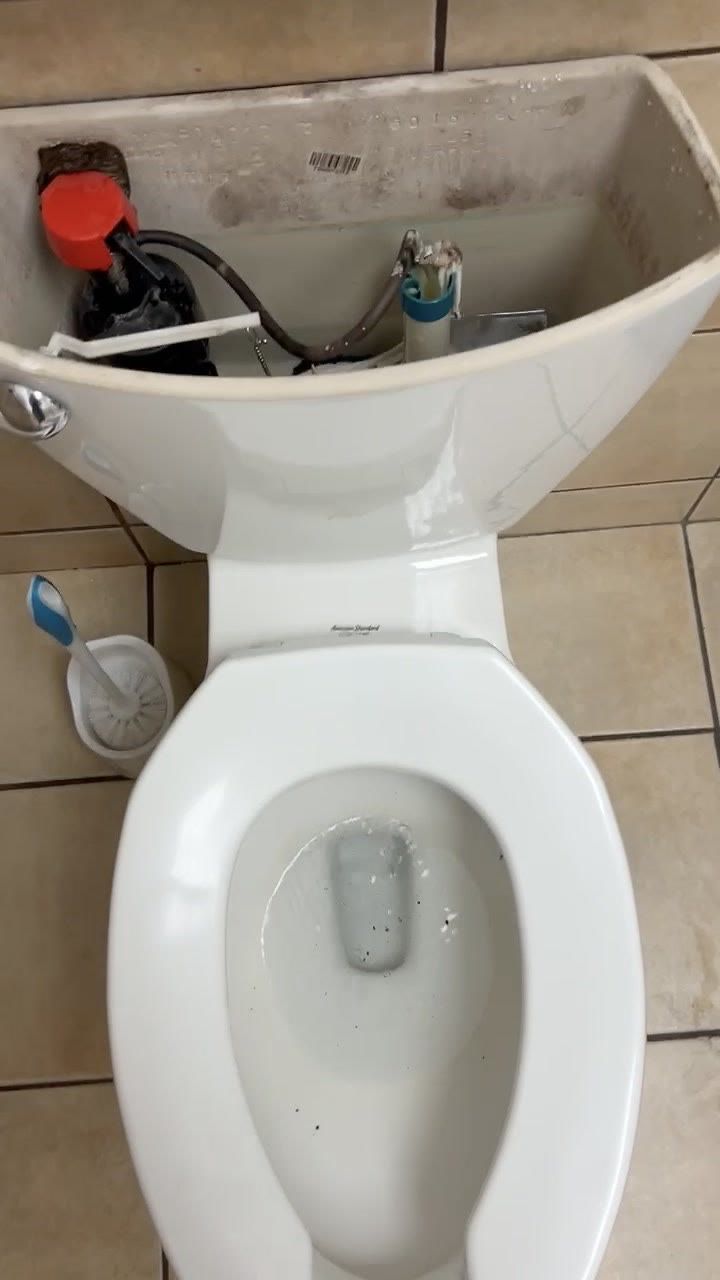
Pull the lid off your tank and look inside. Almost everything that goes wrong with a toilet comes down to two parts.
The
flapper is the rubber piece at the bottom. When you flush, it lifts and lets the water in the tank drop into the bowl. Then it seals back down so the tank can refill.
The fill valve is the tall assembly off to the side. It refills the tank and shuts off when the water reaches the right level. It also does a second job most people do not know about: it runs a small hose over to the overflow tube and puts water back into the
bowl.
That second job is the tell.
The bowl tells you which one failed
Flush and watch the bowl. If it refills to a normal level, your fill valve is doing both jobs.
If there is barely any water sitting in the bowl afterward, that little refill hose is usually not hooked up, or not pointed down the overflow tube. Two minute fix, and it is easy to knock loose during any other work in the tank.
That water matters. It is your trap seal, and it is what keeps sewer gas out of your bathroom.
One distinction, because these get confused constantly. A bowl that is low
right after a flush is a refill hose problem. A bowl that loses its water
on its own, with nobody flushing, is a different animal, and we covered that one in
why your toilet bowl drains by itself.
A running toilet is the expensive one
A flapper that no longer seals is the version that costs real money. Water slips past it into the bowl, the tank level drops, the fill valve turns on to top it back up, and it slips past again.
That cycle runs day and night. Often you never hear it, because the leak is slow enough that the valve only kicks on every twenty minutes. A slow flapper leak nobody catches for a full billing cycle is the most common reason a homeowner around here gets a letter about their water.
Test it yourself. A few drops of food coloring in the tank, then do not flush for thirty minutes. Color in the bowl means the flapper is leaking. That is a cheap part.
Why they fail faster here
Look inside an older tank in this valley and you will see the rubber going chalky and crumbling. That is not age. That is
chlorine.
Treated municipal water carries chlorine and chloramine, and it sits against the rubber in your tank around the clock, breaking down the flapper and the fill valve seals. So your toilet parts are on a clock set by your water, not by how often you flush. Hard water piles mineral scale on top of that.
The fix is upstream. A whole home carbon filter pulls the chlorine before it ever reaches the tank, and it protects every rubber seal and appliance in the house, not just the toilet. Our water filtration and treatment page walks through how point of entry filtration works.
Straight with you: nobody should buy a whole home filter to save a $12 flapper. You buy one because you care what is in the water your family drinks and showers in. Longer life on your fixtures comes along with it.
The state will pay you to replace an old toilet
If your toilet is old enough, you do not have to repair it at all.
The
Utah Water Savers Toilet Replacement Program pays
up to $150 per toilet, for up to
two toilets per home. What matters:
- Any toilet manufactured before 1994 qualifies. Pop the lid off and look for the date stamp molded inside the tank.
- Newer toilets can still qualify. Jordan Valley allows a toilet that uses more than 1.6 gallons per flush, so if you have a mid nineties holdover, check anyway.
- It pays back what you actually spent, up to $150. Buy a $120 WaterSense toilet and you get $120.
- The replacement has to be WaterSense labeled.
- Photograph the old toilet before it comes out. The application requires a picture of it still installed, and this is the step that costs people the money. Tell us before we pull it and we will shoot it for you.
Apply here:
UtahWaterSavers.com Toilet Replacement Program. Questions go to WaterRebates@utah.gov or 801-538-7230.
A correction from the video. In the video above I said $125, and I said before 1991. I was low on both. It is up to $150 per toilet, and the real cutoff is 1994, so if your toilet is from 1991, 1992, or 1993 you still qualify and I just talked you out of it. I would rather correct myself than have you leave money sitting there. One more fix while I am at it: this is a state program, not a city one, so use the link above instead of calling your city about it.
See the water instead of guessing
The frustrating thing about a slow toilet leak is that it stays invisible until the bill shows up.
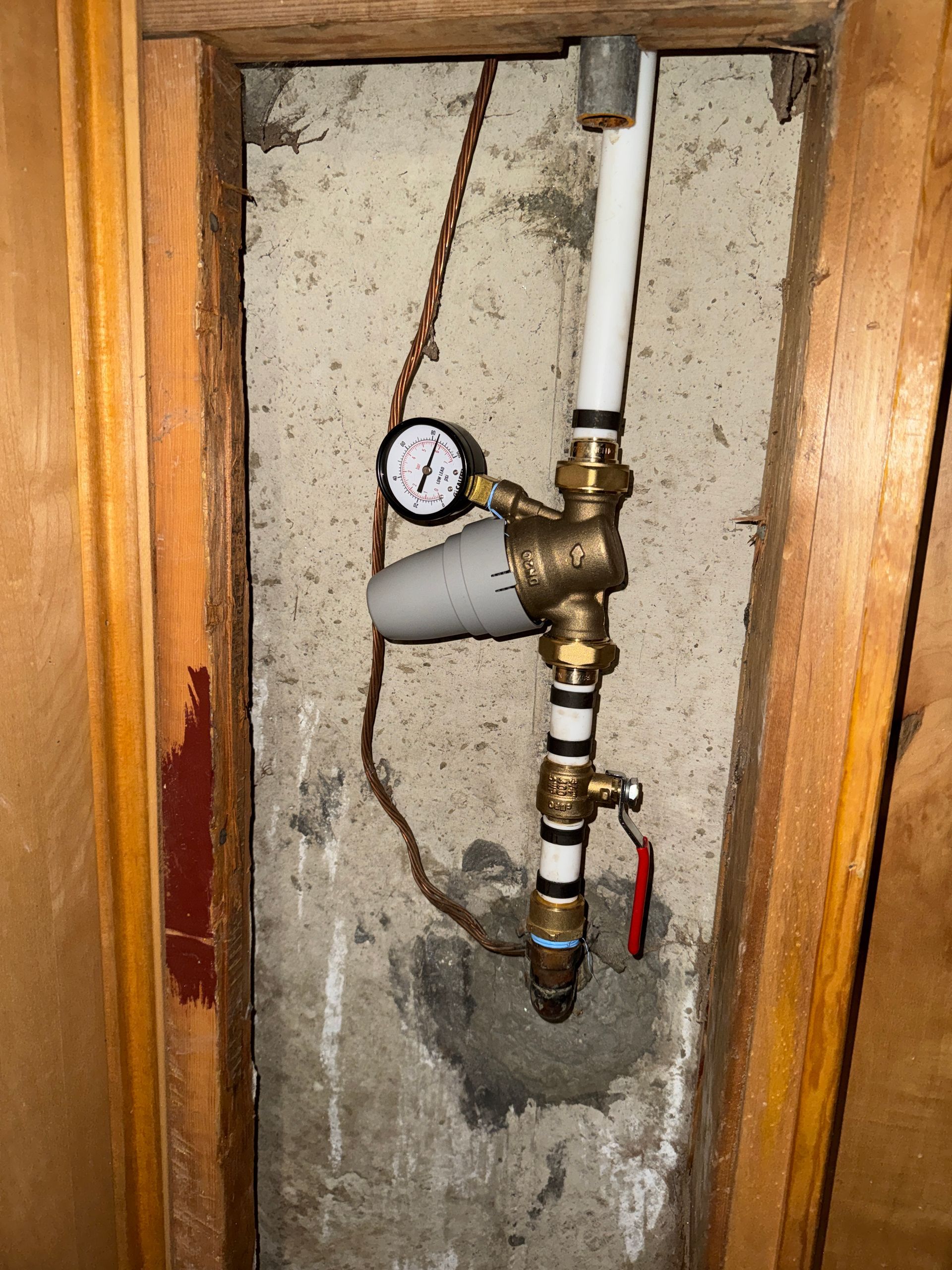
A smart shutoff on your main line fixes that. We install the
Moen Flo. It sits inline on your main and measures flow, pressure, and temperature around the clock, shows you your gallons in an app, and runs a pressure test on the house once a day that catches drips as small as one drop per minute. Moen's own documentation names a worn toilet flapper as the leading cause of a failed test. It learns what normal looks like in your home, and when it sees water moving that does not match, it closes the valve on its own.
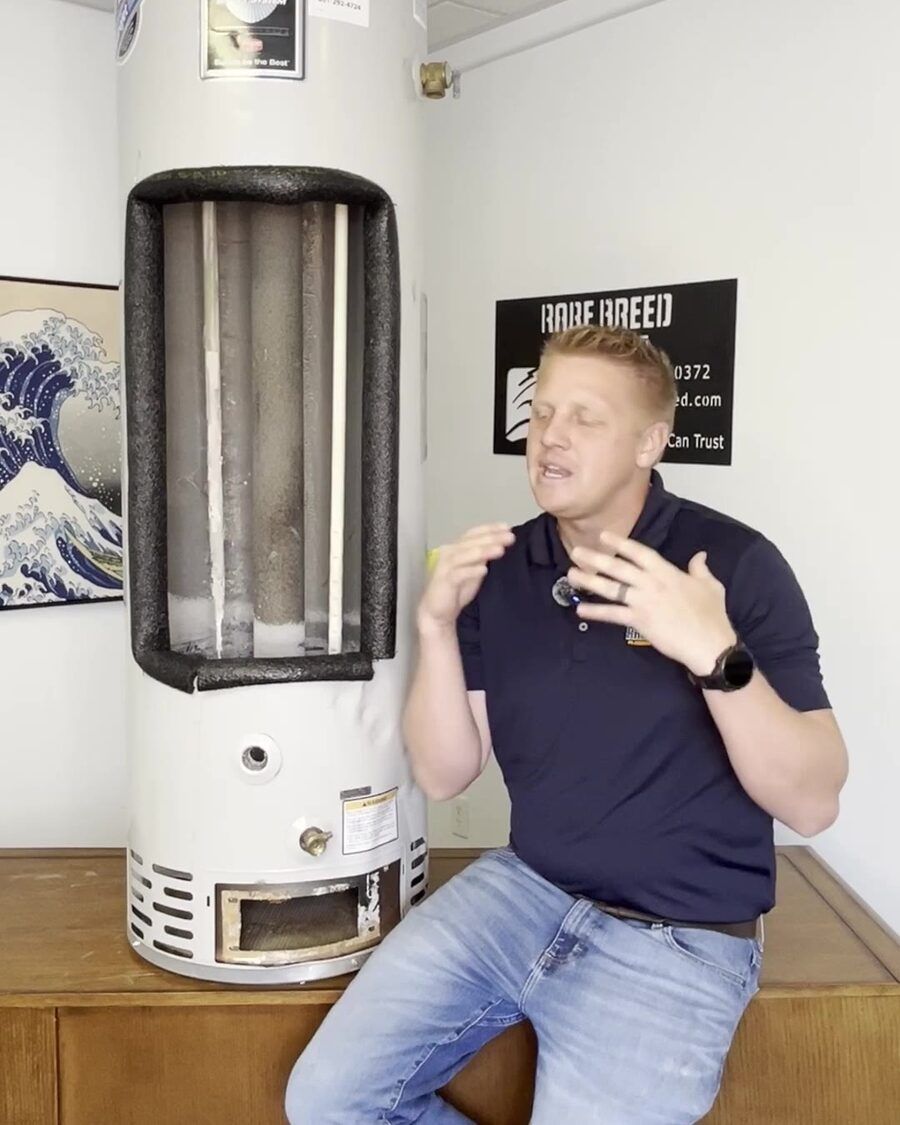
That is not theory for me. I have one on my own house and it has saved it from two floods. One of them was my own water heater, which I had not replaced at ten years, doing exactly what I tell customers a ten year old water heater does.
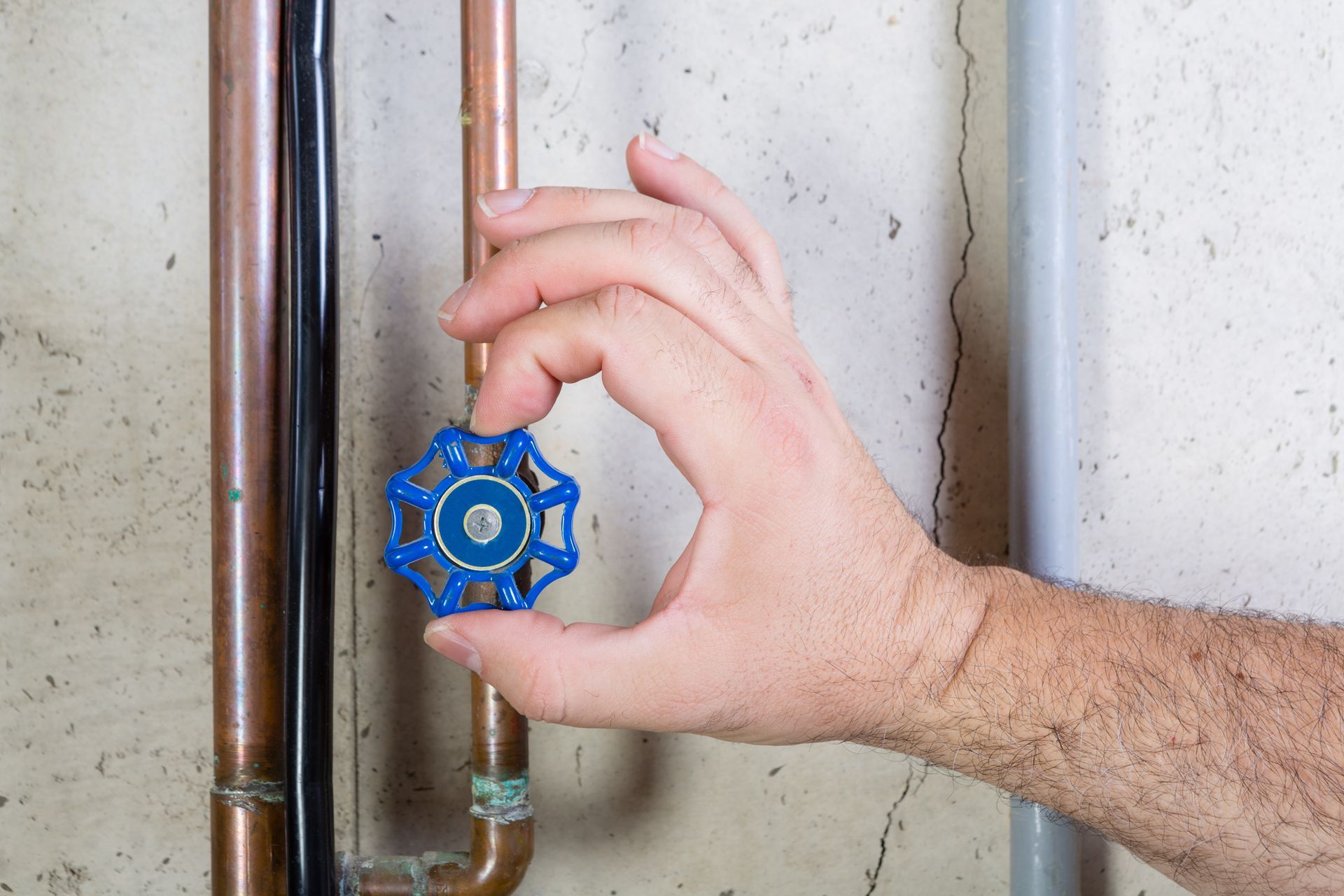
If you would rather start free, go find your main water shut off valve tonight and make sure everyone in the house knows where it is.
When you do not need us
A flapper is a ten dollar part and most homeowners can swap one in fifteen minutes with no tools. If the food coloring test says your flapper is leaking and you are comfortable pulling a tank lid, go do it and keep your money.
Call us when the fix does not hold, when the tank internals are crumbling and you want the valve assembly done properly, when the bowl is still low after you have checked the refill hose, or when you want the water tested to find out why your parts keep dying. If it is a leak you cannot find, that is what
leak detection and repair is for.
Call 385-449-0144 or
book an appointment online. Two hour arrival windows, and we tell you when you do not need the work.
FAQ
How much water can a running toilet actually waste?
Enough to show up plainly on a bill. A flapper that fails to seal lets the tank drain into the bowl continuously, and the fill valve keeps refilling it, so the toilet cycles all day without anyone hearing it. It is the most common reason a homeowner around here gets a letter about high water use.
How do I know if it is the flapper or the fill valve?
Put a few drops of food coloring in the tank and wait thirty minutes without flushing. Color in the bowl means the flapper is leaking. If instead the bowl is low right after a flush, look at the small refill hose running to the overflow tube, because that is the fill valve's other job.
Why do my toilet parts keep failing?
Chlorine and chloramine in treated municipal water sit against the rubber in your tank constantly and break it down, and hard water adds mineral scale on top. A whole home carbon filter removes the chlorine before it reaches the tank and protects every rubber seal in the house.
Is my old toilet eligible for the Utah rebate?
If it was manufactured before 1994, yes. Check for the date stamp inside the tank. Jordan Valley also allows a newer toilet that uses more than 1.6 gallons per flush. The program pays back what you spent on a WaterSense replacement, up to $150 per toilet and two per home. Photograph the old toilet before it comes out, because the application requires it.