Everybody asks me the same question when their water heater starts going: should I go tankless?
It is a fair question and it gets a lot of bad answers. Most of what you read online is a features list that treats this like a spec comparison. It is not. It is a question about how your house actually runs, how many people are in it, and what you want to happen the day the thing fails. Here is the honest version, the same one I give people standing in their basement.
The Real Trade-Off
Forget the brochures for a second. The choice comes down to two things.
A tank gives you reserve and simplicity. You have roughly 50 gallons of hot water sitting there. If the city shuts the water off for a main break, you still have 50 gallons in your house. And a gas tank heater does not need power to heat water, so a winter outage does not leave you cold. That is a real advantage and nobody talks about it.
A tankless gives you unlimited hot water and no shower order. Nobody has to go first. Nobody gets the cold one. If you have a big family and everybody comes home from camping or off the mountain at the same time, you are not staggering showers over two hours waiting for the tank to catch up.
That is the actual decision. Everything else is detail.
What a Tank Costs You
The part people do not think about until it happens: when a tank water heater fails, it does not politely stop working. It is a 50 gallon water bomb sitting in your basement or garage. The tank rusts through from the inside and puts every gallon it is holding onto your floor. That is the failure mode you are signing up for, and it is why I tell people not to ignore
the warning signs a water heater gives you before it goes.
The other cost is the one on the sticker you never read. A standard tank water heater carries about a six year warranty. A tankless carries about fifteen. The manufacturers are telling you exactly how long they expect each one to last. A tank is cheaper the day you buy it and you buy it more often.
And a tank is heating water around the clock whether anybody is home or not. That is called standby loss. The Department of Energy puts tankless units at 8 to 34 percent more efficient depending on how much hot water a household uses, and essentially all of that gap is standby loss you are paying for on a tank.
What a Tankless Costs You
Tankless is more expensive to put in, and it is worth understanding why so the quote does not surprise you. You are usually redoing two things: the flue, because a tankless vents differently, and the gas, because a tankless fires much harder than a tank does and often needs a bigger supply line. That work is most of the price gap. The unit itself is only part of it.
So it is more up front and less over its life. Whether that math works for you depends on how long you plan to be in the house and what your budget looks like the week your old heater dies.
One old complaint that is no longer true: the cold water sandwich, where you would get a burst of cold in the middle of your shower when the unit cycled. That was a real problem on early units. The modern ones have fixed it. If somebody talks you out of tankless using a twenty year old complaint, get a second opinion.
The Utah Part: Hard Water
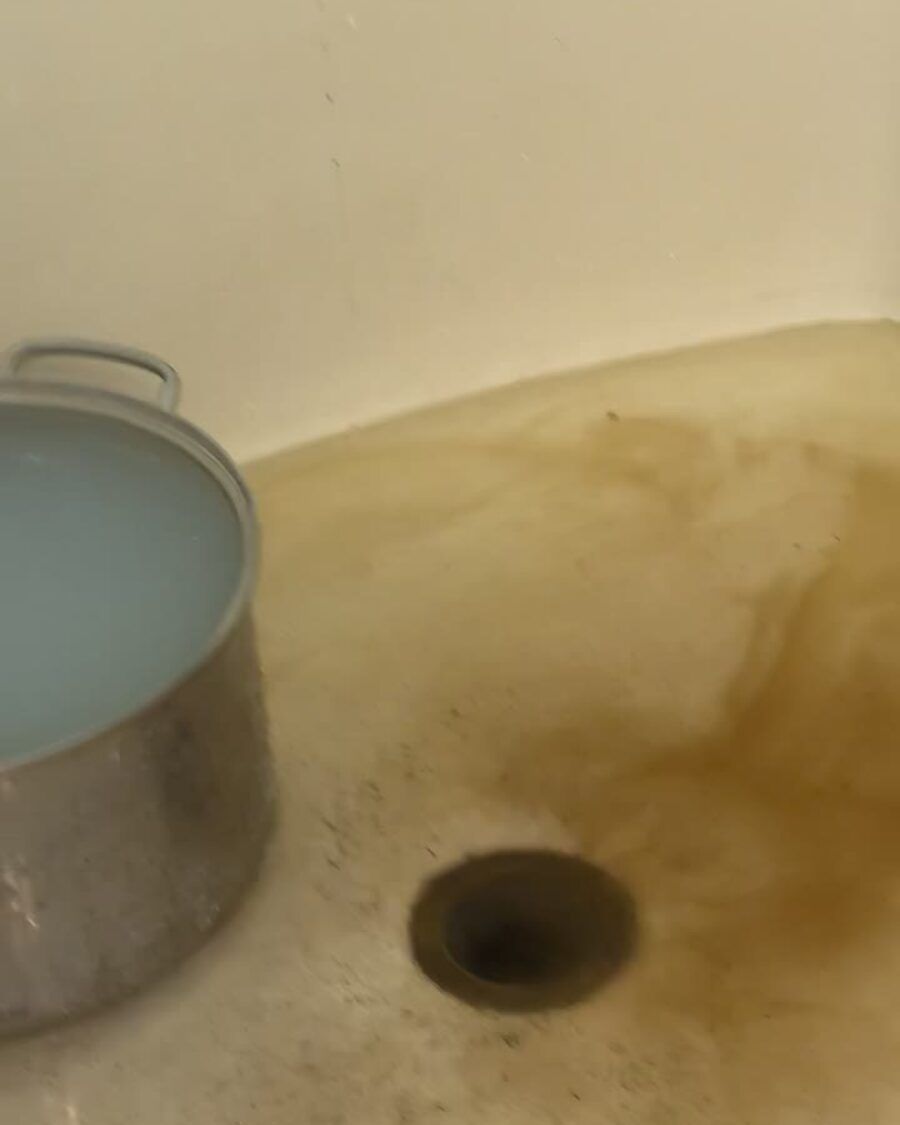
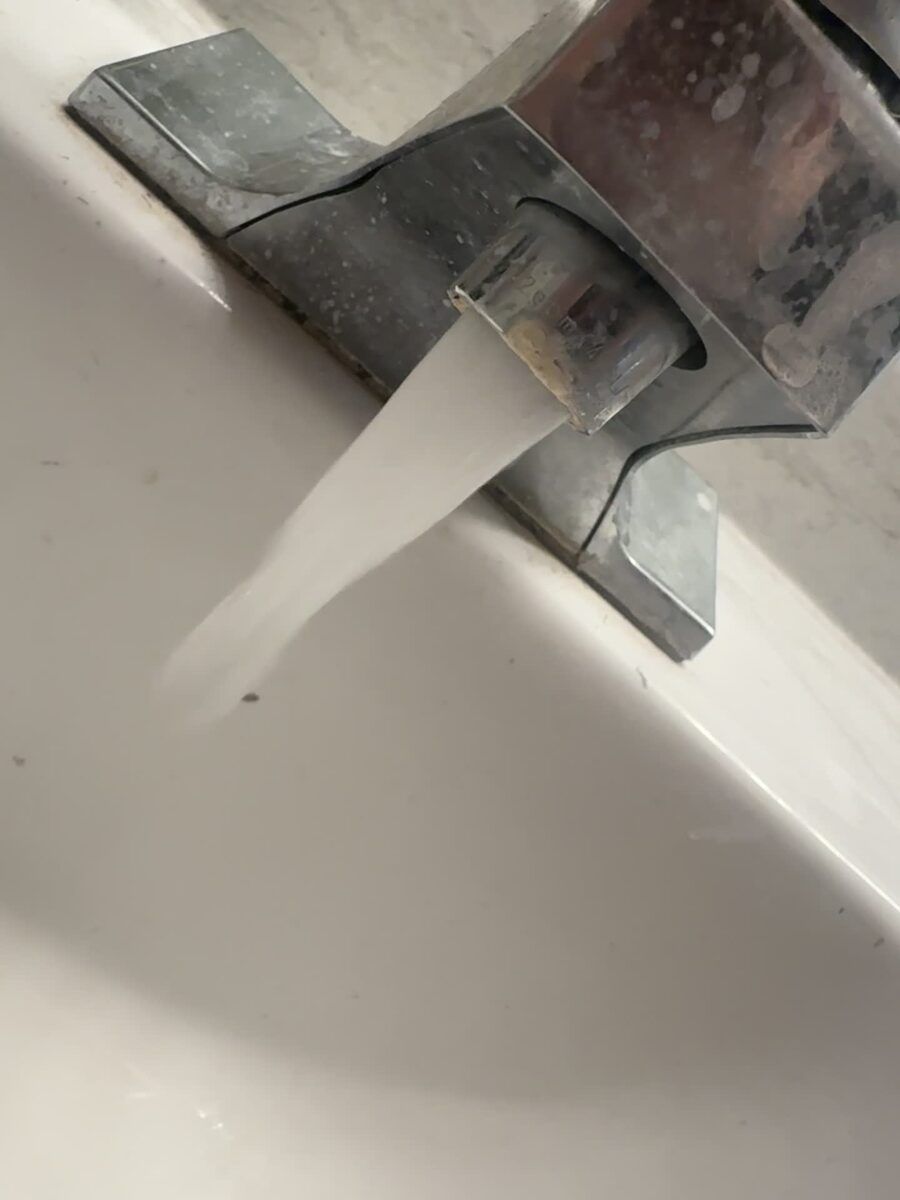
Utah has some of the hardest water in the country, and it is hard on every heater in the state, tank and tankless both. Every time we heat that water, the calcium and magnesium in it bake out as scale.
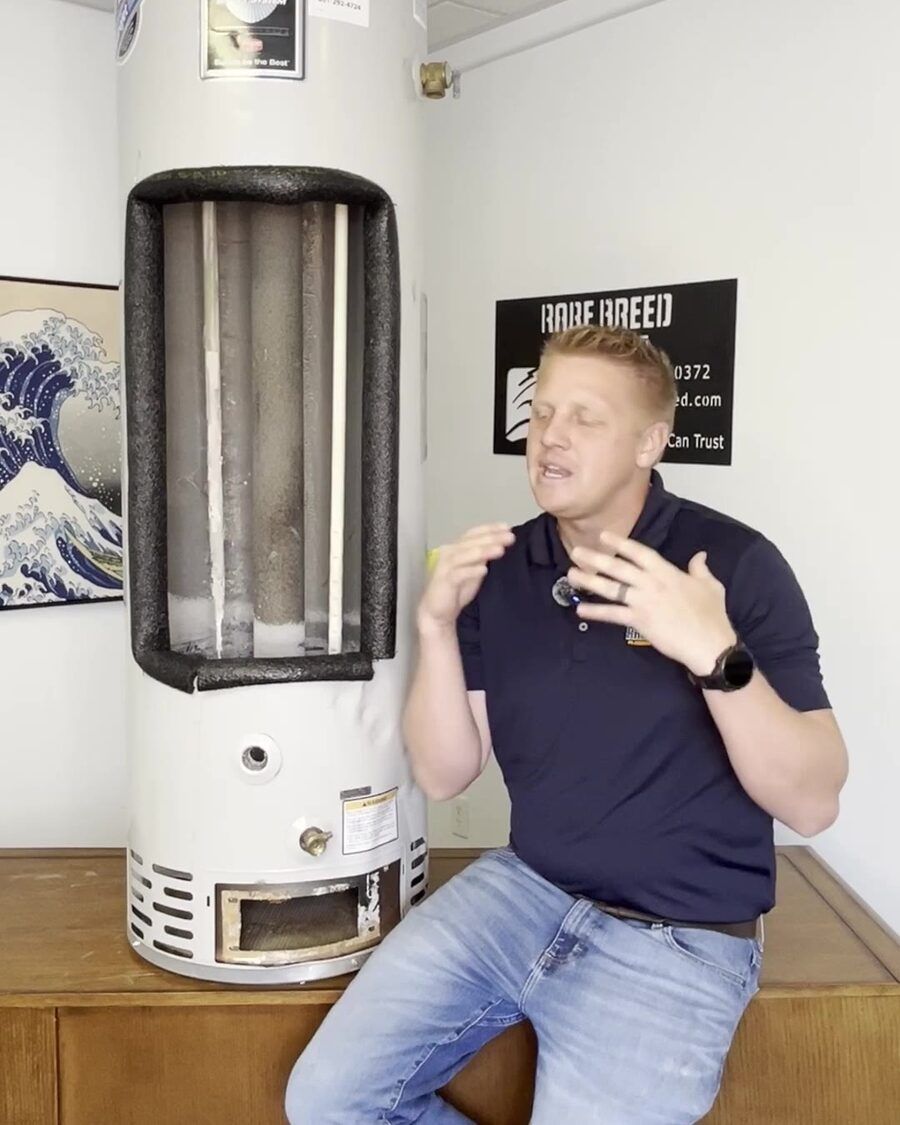
On a tank, that scale settles to the bottom and insulates the burner from the water it is trying to heat, which is why an old heater starts popping and rumbling and why
flushing the sediment out matters. On a tankless, it builds up inside a narrow heat exchanger, and because that space is small, it matters sooner. Manufacturers ask for an annual descale in hard water areas.
Here is the part I want to be straight about: this is a maintenance requirement, not a reason to avoid tankless. A tankless in Utah needs a yearly flush, and it is much happier with a softener upstream of it. Do those two things and it will outlast two tank heaters. Skip them and you will be disappointed in an expensive unit, which is what happened to most of the people who tell you tankless does not work here.
If you want the background on why our water does this, we wrote up why Utah water is so hard and what it does to your pipes.
Where I Land
I run tankless at my own house, with renters in the basement, and I would never go back. Unlimited hot water with that many people using it is worth it to me, and I do the maintenance.
That said, I install both, and a tank is genuinely the right call for plenty of homes:
- Your heater just died and you need hot water back today, on a budget. A tank goes in faster and cheaper.
- It is one or two people in the house and you have never once run out of hot water. You would be paying for a problem you do not have.
- Your gas line and venting would need significant work, and you are not planning to stay in the house long enough to earn that back.
- You want water in reserve and heat without power. Some people weight that heavily, and that is a legitimate reason.
Go tankless if you have a full house and competing showers, you are staying put, and you will actually do the annual flush. Stay with a tank if you need it cheap and fast, or the house is quiet and the current setup has never let you down.
What I will not do is tell you the expensive one is automatically the right one. We come out, look at your gas line, your venting, your water, and how your household actually uses hot water, and then we tell you which one fits. If the answer is the cheaper one, that is the answer.
Common Questions
How long does each type actually last?
Plan on a tank being a 10 to 12 year appliance in Utah, with a warranty around six years. A well maintained tankless runs 15 to 20. Hard water shortens both if the unit never gets flushed.
Do I need a water softener to go tankless?
You do not strictly need one, but in Utah water I strongly recommend it. A softener upstream is the cheapest insurance you can put on a tankless unit, and it protects your fixtures and appliances at the same time.
Will one tankless unit keep up with two showers and the dishwasher?
A properly sized one will. Tankless units are rated in gallons per minute, and sizing is where installations go wrong. An undersized unit is the single most common reason someone is unhappy with tankless. That is a sizing failure, not a technology failure.
Is the tankless price difference really about the unit?
Mostly no. Most of the gap is redoing the flue and the gas line to feed it. That is why quotes vary so much house to house.
What about the cold water sandwich?
Fixed on modern units. It was a real complaint on early tankless heaters and it is not a reason to rule them out today.
Talk It Through With Somebody Who Installs Both
We put in tank and tankless every week across Bountiful, Sandy, Orem, and the rest of Northern Utah, and we do not get paid more for steering you one direction. Call 385-449-0144 or
book a visit online and we will give you a straight read on your house.
Related:
Water Heater Services |
Signs Your Water Heater Is About to Fail |
Water Softeners |
Is a Tankless Water Heater Worth the Investment?