Here is the whole thing in one sentence, and it is how I explain it on every water call I run:
a softener protects your home, and a reverse osmosis system protects your family.
They are not competing products. They do two different jobs. People lump them together as "water treatment" and assume one covers the other, then they spend real money without fixing the thing that was actually bothering them.
So let me break down what each one does, what it does not do, and how to find out what is actually in the water at your address.
What a Water Softener Actually Does
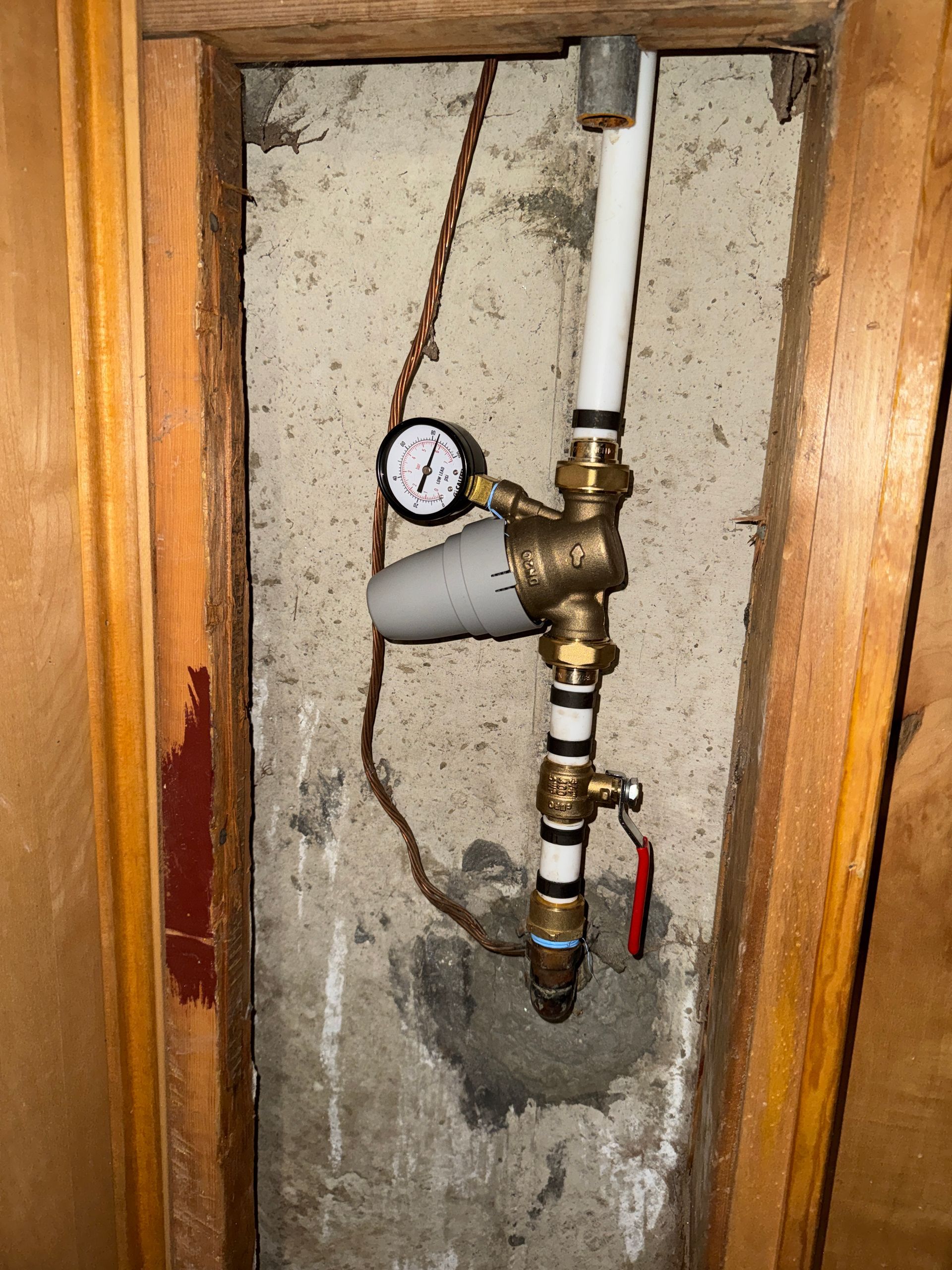
A softener treats every drop coming into the house. It sits on the main line, usually near the water heater, and it pulls the calcium and magnesium out through a process called ion exchange. Those hardness minerals get swapped for sodium. What you end up with is essentially sodium bicarbonate, which is baking soda.
That swap is the whole trick, and it is what protects the house.
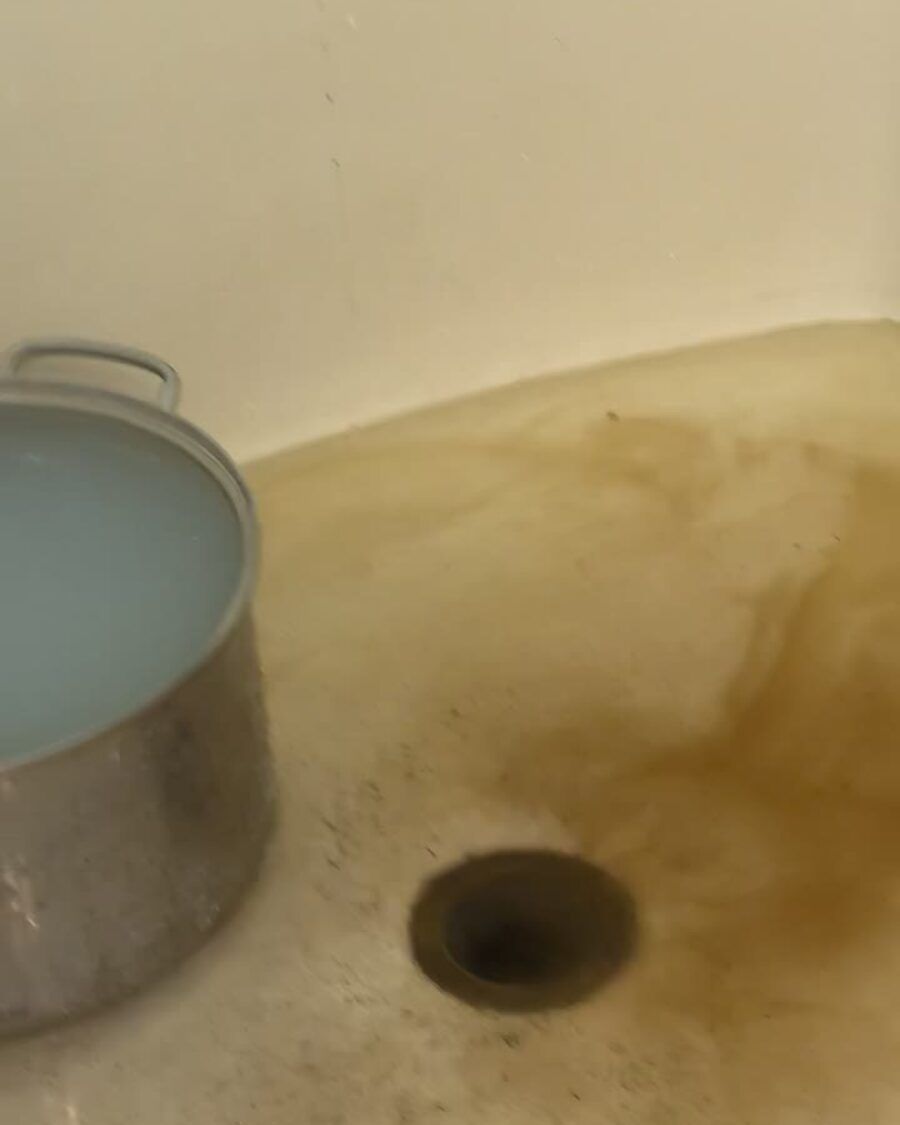
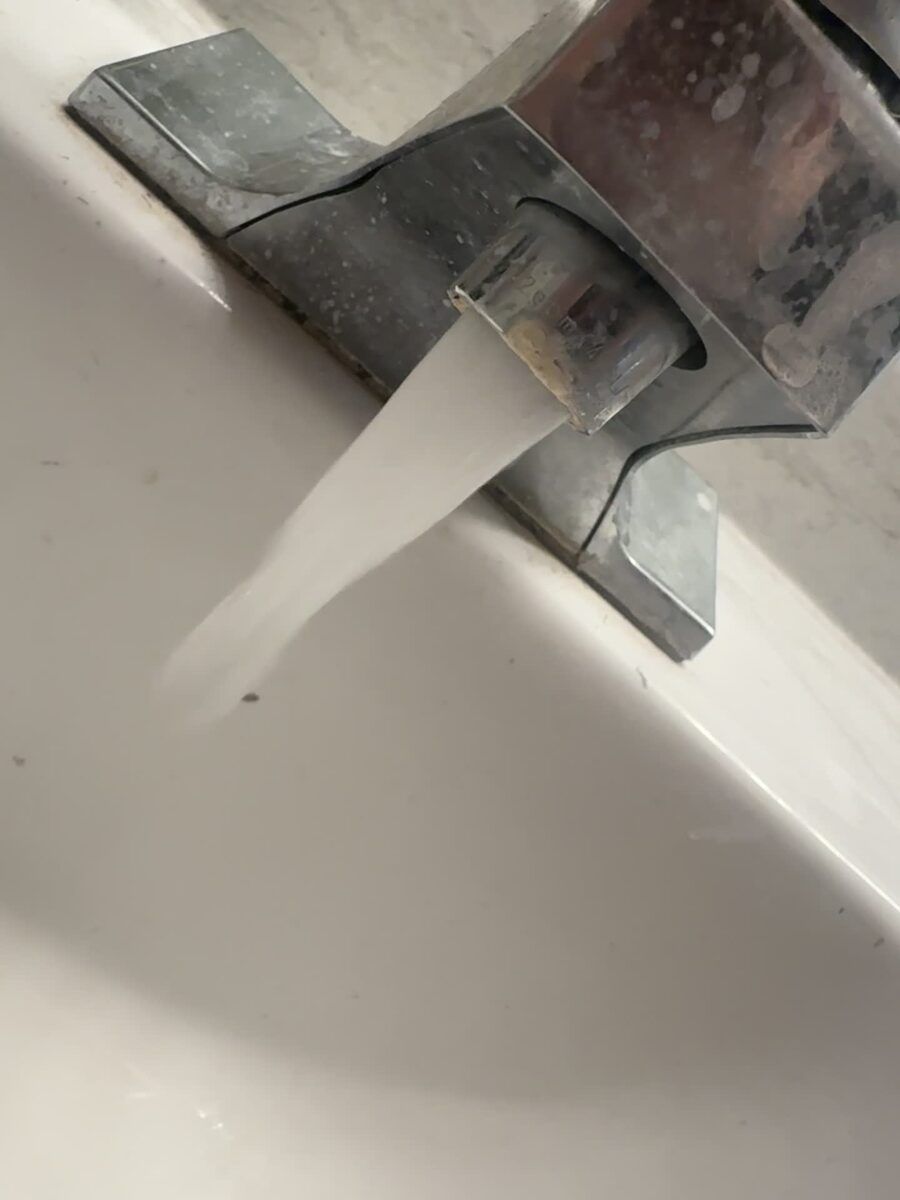
What a softener protects: your pipes, your water heater, your dishwasher, your washing machine, your faucets. Scale is what kills those things early in Utah, and a softener is the only thing standing in front of them.
What a softener does not do: it does not clean up your drinking water. It is not removing chlorine, or nitrates, or heavy metals. Softened water is far better for your plumbing. That does not make it purified.
The salt test, and the myth this page used to repeat
A real softener runs on salt or potassium. That is not a preference, it is the mechanism. The salt is what physically swaps the hardness out of the water.
So if a system claims to soften your water without either one, it is a conditioner, not a softener. It might change how the minerals behave on a surface. It is not removing them. Saltless and magnetic units get sold as softeners that need no maintenance, and in a state with water as hard as ours I would not put my name behind one.
I am saying that plainly because an earlier version of this page listed magnetic and salt-free units as legitimate softener types. That was wrong, and it is the kind of thing that costs a homeowner a few thousand dollars and a couple of years before they figure out nothing changed.
What a Reverse Osmosis System Actually Does
An RO system is point of use. It goes under the kitchen sink, and you can run a line to the fridge so the ice and the water dispenser are on it too. It pushes water through a semi permeable membrane and strips out the things you do not want to drink.
What an RO removes: fluoride, arsenic, nitrates, and chlorine, among others. The nitrates matter more here than most people expect, and they usually come from farms over fertilizing upstream of the water supply.
What an RO does not do: it does nothing for your house. Every other tap, every appliance, and your water heater are all still getting the same hard water they always did. An RO makes the water you drink excellent. It does not protect a single pipe.
Why not just put an RO on the whole house
People ask this constantly, and it is a fair question. The answer is cost. Running reverse osmosis at whole home scale is far too expensive to make sense for a normal house, both to install and to run. That is the real reason RO is not the answer to hard water, and it is why these two systems end up doing different jobs instead of one replacing the other.
Utah Hardness Is Not One Number
This is the part almost nobody tells you: you cannot ask a neighbor across the valley and assume yours is the same. Hardness changes by city, and it changes by season.
Take Herriman, where I live. In the summer we run about 40 grains, because the city is pulling off the wells. In the winter that drops to roughly half, because the supply shifts and we get water from South Jordan. Same house, same tap, different water depending on the month.
Draper is about a third of Herriman's summer number. Bountiful is acidic, which is a different problem entirely. Ogden is its own animal and does not behave like the rest of the state. Vineyard is questionable enough that I would want it tested before recommending anything.
A system sized for a neighbor's water can be the wrong system for yours.
Find Out What Is Actually in Your Water
Two different questions, two different tools, and both are free.
For hardness, we built a per city water quality map for Northern Utah from real readings our technicians take on service calls. Look up your city and you will see what we are actually measuring, not an estimate:
check the hardness map for your city.
For contaminants, the Environmental Working Group maintains a national tap water database you can search by ZIP code. It pulls from your utility's own testing and shows what has been detected in your supply and at what levels:
look up your ZIP in the EWG Tap Water Database.
One note so you read that correctly. EWG sets its health guidelines tighter than the federal legal limits, so most supplies in the country will show something above their guideline. That does not mean your water is unsafe to drink. It means you can see exactly what is in it and decide what you want filtered out. That is the useful part, and it is the honest way to use that tool.
If you are on a private well, get a full test before you buy anything. Well chemistry varies a lot from one property to the next, and treating the wrong problem is expensive.
So Which One Do You Need
Get a softener if your concern is the house: scale on the fixtures, a water heater that is getting loud, appliances dying early, or a tankless unit, which really should not run on untreated Utah water at all.
Get an RO if your concern is what your family drinks: the taste is off, or you have looked up your ZIP and want the fluoride, arsenic, nitrates, or chlorine out of your drinking and cooking water.
Get both if you want the house and the family covered, which is where a lot of Utah homes land. Softener on the main line, RO at the kitchen tap and the fridge. The softener protects the plumbing. The RO handles what you actually swallow.
What It Cost Me to Learn This
When my family moved into our place in Herriman, the previous owner had never run a softener, and the water out there is brutal.
In the first stretch of living there I replaced three faucets, two dishwashers, and a washing machine.
I am a plumber. I figured some of that was on borrowed time anyway. What got me was how fast it went. That is hard water with nothing standing in front of it, quietly chewing through things you already paid for. A softener would have bought every one of them years.
Maintenance, Honestly
A softener needs salt or potassium in the brine tank, usually every four to eight weeks depending on your household and how the system is sized. It regenerates on its own. You just have to keep it fed.
An RO needs filters changed every six to twelve months and a membrane every two to three years. Some units have a meter that tells you when the membrane is done. It is low effort, but it is not zero.
Common Questions
Does a water softener make my water salty?
No. The sodium left behind is a small amount, and it is not sodium chloride, it is closer to baking soda. If you are on a sodium restricted diet and it concerns you, run the softener and put an RO at the drinking tap, which removes it.
Can an RO system fix my hard water?
Not for the house. RO removes hardness minerals very effectively at the tap, but it is point of use and far too costly to run whole home. For scale protection you need the softener.
Do salt-free water softeners work?
They do not soften water. Without salt or potassium there is no ion exchange, so the hardness minerals are still in the water. Some units change how those minerals deposit on a surface. That is conditioning, and it should be sold as conditioning.
How do I know how hard my water is?
Check the per city map linked above, or have it tested. Hardness in Utah moves by city and by season, so a number from a neighbor across the valley is not yours.
Should I get the softener or the RO first?
If your appliances are showing scale, start with the softener, because that is the damage that compounds. If the house is fine and you just do not like what you are drinking, start with the RO.
Talk to Someone Who Will Tell You Straight
We install softeners and reverse osmosis systems across Northern Utah, Salt Lake County, and Utah County, and we will tell you which one your house actually needs, including when the answer is neither.
Book an appointment or call 385-449-0144.
Related:
Water Softeners |
Reverse Osmosis |
Signs You Have Hard Water in Utah